pest-control
How Much Does Pest Control Cost in Pennsylvania? 2026 Prices for Mice, Ants, Termites, and Lanternfly
Pest control costs in Pennsylvania in 2026: quarterly plan pricing, rodent exclusion, termite treatment, bed bugs, lanternfly service, and how to compare bids.
In This Article
- What a Standard Service Plan Buys You
- Rodents Are the Most Common Pennsylvania Call
- Termites and the Damage Nobody Sees
- Bed Bugs, Roaches, and the Higher-Cost Jobs
- Spotted Lanternfly and Outdoor Treatment
- Licensing, Guarantees, and Comparing Quotes
- Common Questions About Pest Control Pricing in Pennsylvania
How Much Does Pest Control Cost in Pennsylvania? 2026 Prices for Mice, Ants, Termites, and Lanternfly
A one-time general pest treatment in Pennsylvania runs about $175 to $400 in 2026. Quarterly service plans land between $45 and $75 a month for most single-family homes, usually with a larger first visit of $150 to $325 that covers the initial interior and exterior work.
Those figures cover the routine stuff: ants, spiders, mice around the foundation, wasps under the eaves. The bills that surprise homeowners come from the problems Pennsylvania is known for, and they are mostly structural. Eastern subterranean termites, carpenter ants chewing damp framing, and mice finding gaps in a 1920s stone foundation all cost more than a spray schedule.
Price also tracks the age and construction of the house more than the ZIP code. A brick rowhome in South Philadelphia sharing party walls with two neighbors is a different job than a detached colonial in Bucks County or a hillside house in the South Hills of Pittsburgh. Companies quote the building, not the map.
What a Standard Service Plan Buys You
Most Pennsylvania companies sell a recurring plan rather than a one-off visit, and the recurring plan is usually the better value once you compare the per-visit math. Quarterly coverage at $55 a month works out to roughly $165 per visit with unlimited callbacks between appointments. A single emergency treatment for the same ant problem is $200 to $350 with no follow-up included.
The visit itself is fairly consistent across companies. A technician treats the exterior foundation band, knocks down webs and wasp nests around soffits and porch ceilings, refreshes bait in the kitchen and basement if there is interior activity, and checks entry points around utility penetrations. Interior spraying is less common now than it was ten years ago because exterior barrier work does more of the job.
Bimonthly plans cost more per year, generally $65 to $95 a month, and they make sense on properties backing up to woods or farmland. Homes in Chester County, the Poconos, and the ring around Pittsburgh see steadier pressure from the outside, so the shorter gap between visits keeps ahead of it.
Watch the contract length. A twelve-month agreement with an early-termination fee is standard, and cancelling in month four often means paying back the discount built into the initial visit. Read the renewal clause before you sign, since many convert to automatic annual renewal at a higher rate.
Rodents Are the Most Common Pennsylvania Call
Mice drive more service calls in this state than anything else, and the reason is the building stock. Pennsylvania has one of the older housing inventories in the country, with fieldstone foundations, balloon framing, and a century of settling that opens gaps a mouse can use. A mouse fits through a hole the width of a pencil.
A basic rodent job with trapping and two follow-up visits runs $250 to $500. That price handles the population you have. It does not stop the next one, which is why exclusion work is the part worth paying for.
Exclusion means sealing the building: copper mesh and sealant at pipe and wire penetrations, door sweeps, chimney and dryer vent caps, and hardware cloth over foundation gaps. Expect $400 to $1,200 on an average home, and $1,500 to $3,000 on an older house with a rubble foundation and multiple additions. Companies that offer a rodent-free guarantee almost always require exclusion first.
Attic work adds cost when the invaders are larger. Squirrels in a Pittsburgh attic or a raccoon in a chimney flue is wildlife removal, not pest control, and that runs $400 to $1,500 depending on access and how much insulation gets contaminated.
Termites and the Damage Nobody Sees
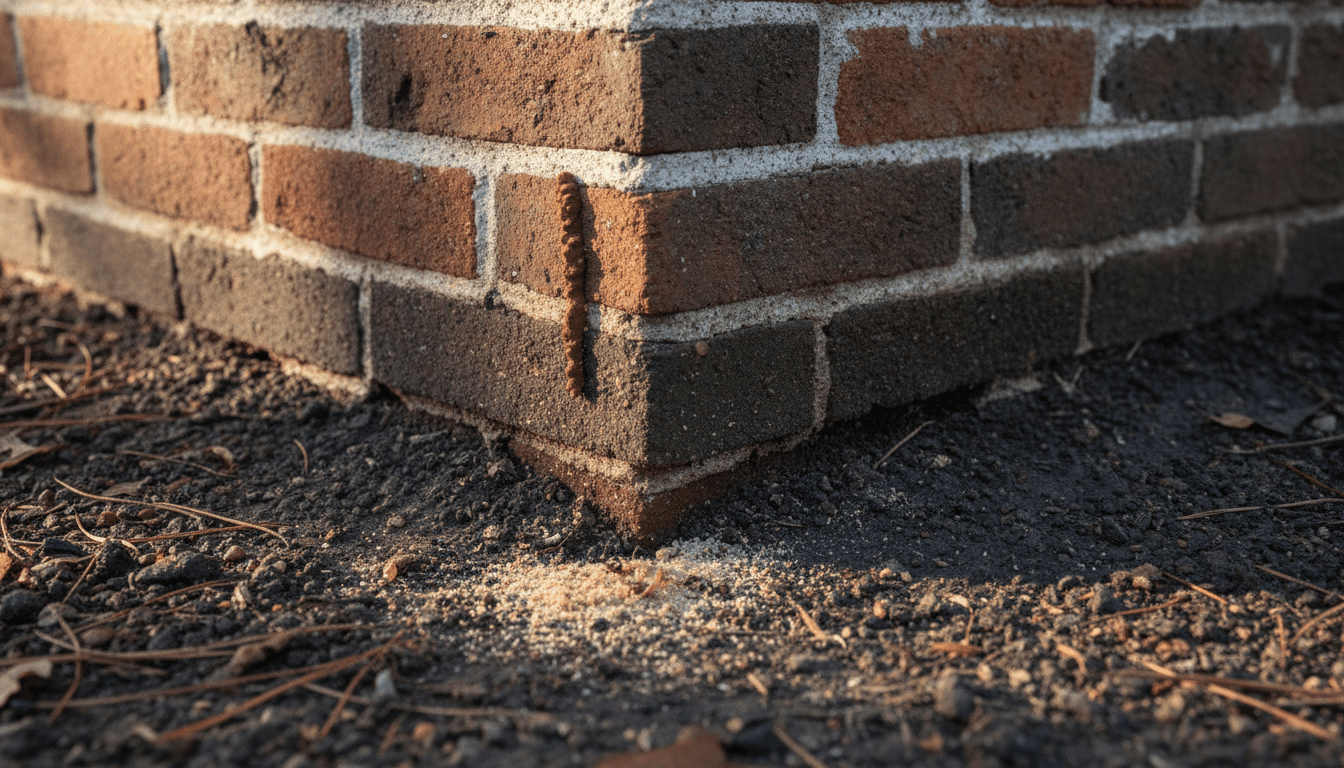
Eastern subterranean termites are present in every Pennsylvania county, and they work from the soil up through the sill plate. A liquid soil treatment around the perimeter of an average home costs $1,300 to $3,000, priced on linear feet of foundation and how much of it is under a slab, porch, or attached garage.
Bait station systems are the other approach, with installation at $1,400 to $3,200 and an annual monitoring renewal of $275 to $450. The renewal is what keeps the warranty alive, so treat it as part of the cost rather than an optional add-on. Skipping two years of monitoring voids most agreements.
A termite inspection for a real estate closing runs $85 to $175 in most of the state, sometimes bundled free with a home inspection. Ask whether the report is the standard NPMA-33 form your lender wants, because a verbal all-clear does not satisfy an underwriter.
Carpenter ants get confused with termites constantly. They do not eat wood, they hollow it out for nesting, and they follow moisture. Treatment is $300 to $700, and the durable fix is finding the leak feeding them, usually a failing gutter, an ice-dam-damaged eave, or a bathroom subfloor.
What Winter Freeze and Thaw Does to a Foundation
Pennsylvania's freeze-thaw cycle is hard on masonry, and every new crack is a new entry point. Homes in the northern tier and the Laurel Highlands go through dozens of cycles a season, which is why exclusion work needs a re-check every few years rather than once in a lifetime.
Spring service after a hard winter is worth scheduling early. Ants and termites both swarm as soil warms, and a March or April exterior treatment gets ahead of the flight instead of reacting to it in the kitchen.
Bed Bugs, Roaches, and the Higher-Cost Jobs
Bed bug treatment is the most expensive routine service in the state. Conventional chemical treatment runs $350 to $650 per room across two or three visits. Whole-home heat treatment, where the structure is brought to lethal temperature for several hours, costs $1,500 to $3,500 and finishes in a day.
Philadelphia and Pittsburgh both see steady bed bug volume in multi-unit buildings, and that changes the strategy. Treating one apartment while the adjacent unit goes untreated is money spent twice, so a building-wide approach with the property manager is the version that holds.
German cockroaches in a rowhome or apartment run $300 to $700 for a multi-visit gel bait and growth regulator program. Shared walls and common plumbing chases mean the population travels, and a single-unit treatment in a connected building rarely sticks.
Stink bugs are the seasonal Pennsylvania complaint that no plan fully solves. Fall exterior treatment on sunny south and west walls in late September cuts the number that get in, and expect $150 to $300 as an add-on. Once they are inside the wall cavity, a vacuum is more useful than a chemical.
Spotted Lanternfly and Outdoor Treatment
Spotted lanternfly reached Berks County years ago and has spread across most of the southeast and beyond. Treatment is a tree and yard service rather than a structural one, and companies price it at $150 to $400 per visit depending on how many trees need trunk or foliar work.
Systemic trunk injections on a mature tree of heaven or a landscape maple cost more, generally $250 to $600 per tree, and last a season. Removing the tree of heaven that attracts them is the more permanent answer if you have one on the property.
The Pennsylvania Department of Agriculture has run quarantine rules covering the movement of firewood, nursery stock, and outdoor equipment out of affected counties. If you are moving between counties, check the current list before you haul a woodpile.
Mosquito and tick yard programs are a separate line item at $65 to $120 per treatment, usually six to eight applications from May through September. Properties with woods, standing water, or a creek line get the most out of it.
Licensing, Guarantees, and Comparing Quotes
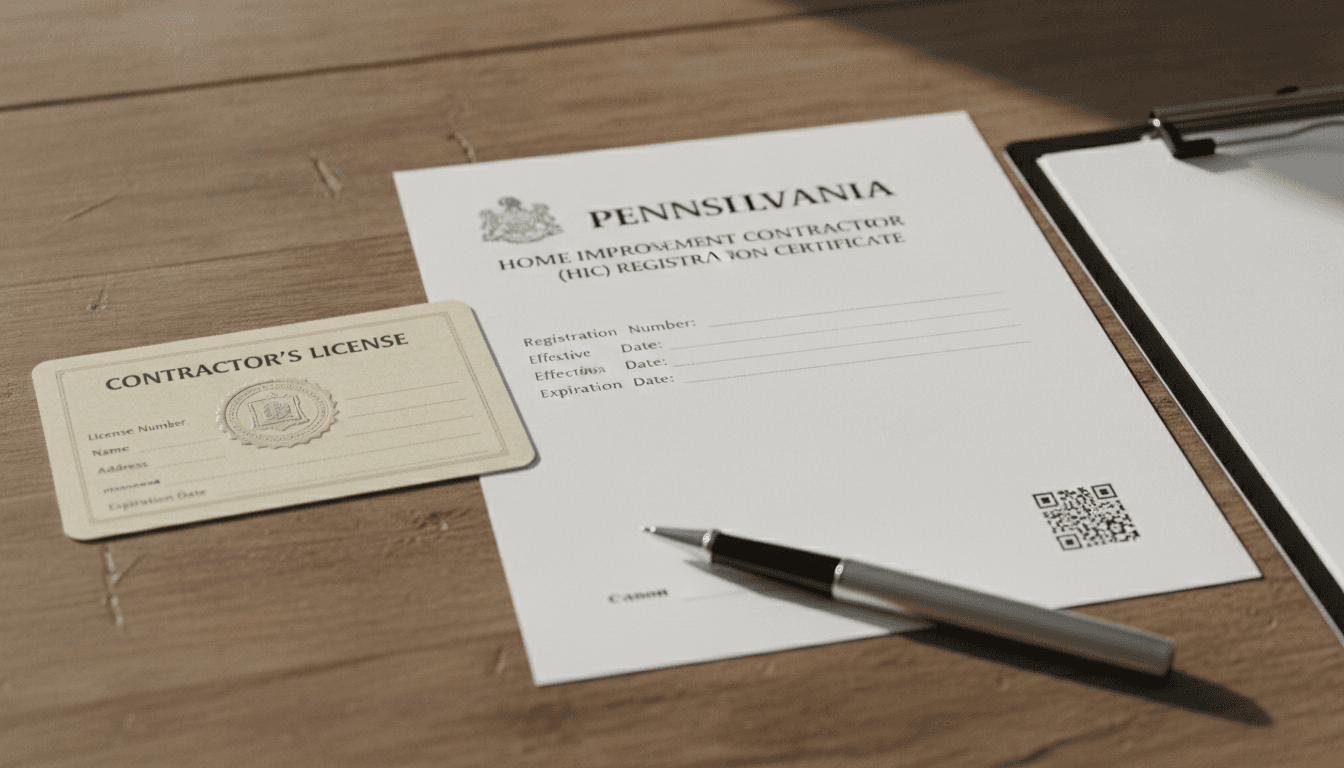
Anyone applying pesticides commercially in Pennsylvania has to be certified through the Department of Agriculture's pesticide program, and the business itself has to be registered. Ask for the certification number and the categories it covers, since a lawn applicator is not certified for structural work.
Insurance is the second question. A company working in your crawl space or on a ladder at the roofline should carry general liability, and a certificate takes thirty seconds to produce. A firm that hesitates on that request is telling you something.
Compare quotes on scope, not price. One company's $400 termite number and another's $2,400 are usually two different jobs, one a spot treatment on a single wall and the other a full perimeter with a renewable warranty. Getting three written proposals from licensed pest control companies serving your county that all describe the same scope is the only way to see who is genuinely cheaper.
Guarantees vary more than prices do. A retreat-only warranty means they come back for free, while a repair warranty means they pay for termite damage that happens under their watch, and the second is worth real money. Our Pennsylvania home service cost guides cover the same comparison approach for other trades.
Common Questions About Pest Control Pricing in Pennsylvania
Is a quarterly plan worth it if I only see ants in the spring?
For most homes, yes, because the plan price per visit is about half the one-off emergency rate and includes free callbacks. If ants are your only issue and the house is newer with a sealed slab, two targeted treatments a year at $200 each can be enough.
How much does a termite inspection cost for a home sale?
Budget $85 to $175 in most Pennsylvania markets, and confirm the company issues the standard NPMA-33 form lenders accept. Many sellers order it two weeks before closing so there is time to treat if the report comes back active.
Do I have to leave the house during treatment?
Routine exterior service requires nobody to leave. Interior treatments generally call for two to four hours out of the treated rooms, and a whole-home bed bug heat job means being out for six to eight hours with pets and heat-sensitive items removed.
Why is my neighbor paying less for the same plan?
Square footage, lot size, and foundation type all feed the price, and so does the initial-visit discount that first-year customers get. A 1,400 square foot rowhome with 40 linear feet of exposed foundation costs less to service than a 3,000 square foot house on an acre in Lancaster County.
Can I skip winter service?
Pennsylvania winters push rodents and overwintering insects into the structure rather than killing them off, so the December through February visits target the pests that matter most in those months. Most plans keep the same price year-round and shift the focus rather than pausing.