roofers
How Much Does Roof Replacement Cost in Pennsylvania? 2026 Guide
Roof replacement in PA costs between $8,000 and $18,500 in 2026. See our guide for prices per square foot, material choices, and local labor rates.
In This Article
- What Homeowners Typically Pay Statewide
- Pricing by the Square Foot
- How Material Choice Changes Your Total
- Estimates Based on Your Home Size
- Local Price Differences Across the State
- Factors That Drive Up the Final Bill
- Will Homeowners Insurance Pay for It?
- Finding a Fair and Accurate Quote
- Paying for the Project Over Time
- How to Calculate Your Own Estimate
- Frequently Asked Questions
- Bottom Line on What You Can Expect to Pay
How Much Does Roof Replacement Cost in Pennsylvania? 2026 Guide
A typical roof replacement in Pennsylvania costs between $8,000 and $18,500 in 2026. The statewide average sits right around $12,000 to $15,200 for a standard 2,000-square-foot home using architectural asphalt shingles.
Construction costs here run about 15 percent above the national average. Older housing stock across the state often means multiple layers of old shingles and structural decking repairs that add to the final bill.
What Homeowners Typically Pay Statewide
Your final bill breaks down into three main categories. Materials make up 40 to 45 percent of the total cost. Labor takes up another 40 to 50 percent depending on local hourly rates.
The remaining 10 to 15 percent covers the tear-off and disposal of your old roof. Throwing away tons of heavy asphalt materials requires dumpsters and landfill fees. You should expect this baseline split regardless of where you live in the state.
Pricing by the Square Foot
Contractors do not price jobs based on the square footage of your home interior. They measure the actual surface area of your roof in units called roofing squares. One roofing square equals exactly 100 square feet of roof space.
Installed prices range from $4.50 to $10.25 per square foot for most common residential materials. A home with a 1,500-square-foot floor plan might have 2,000 square feet of roof once you account for the pitch and overhangs. You should ask your contractor for the exact square footage they are quoting before signing an agreement.
How Material Choice Changes Your Total
The product you choose to put on your house is the single biggest variable in your budget. Asphalt remains the dominant choice across the state, but metal and slate have strong local histories. Every product offers a different balance of lifespan and upfront cost.
You should weigh these 2026 planning estimates against how long you plan to stay in the home. A cheaper material might save money today but require another replacement in twenty years.
Asphalt Shingles
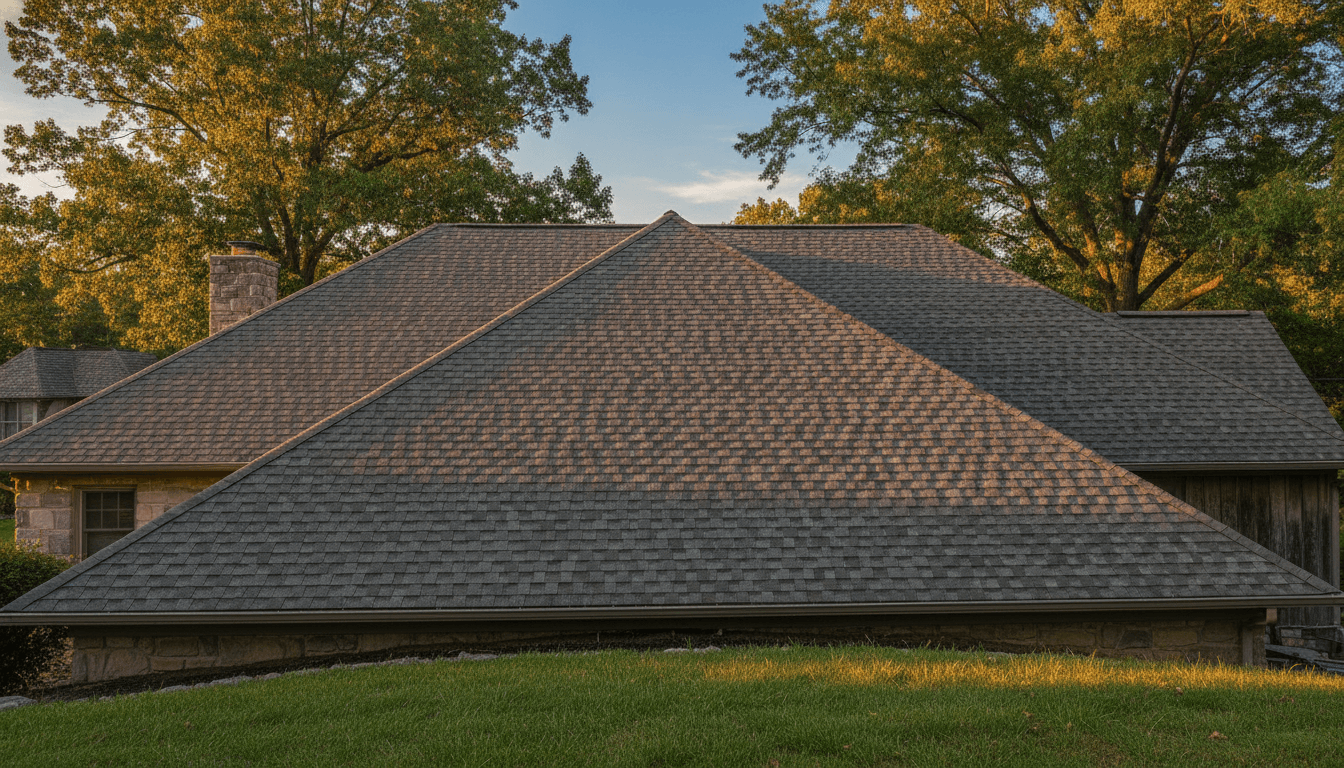
Asphalt accounts for 65 to 70 percent of residential roofs in the state. Basic 3-tab shingles cost between $3 and $6 per square foot installed. They offer a modest lifespan of about 20 years before the weather breaks them down.
Most buyers upgrade to architectural shingles for $5.30 to $9 per square foot. These thicker materials provide better wind resistance and last up to 30 years.
Metal Roofing
Metal roofs cost 50 to 70 percent more than asphalt but can easily last 40 years or more. Exposed fastener metal panels are the budget option, running $7 to $10 per square foot.
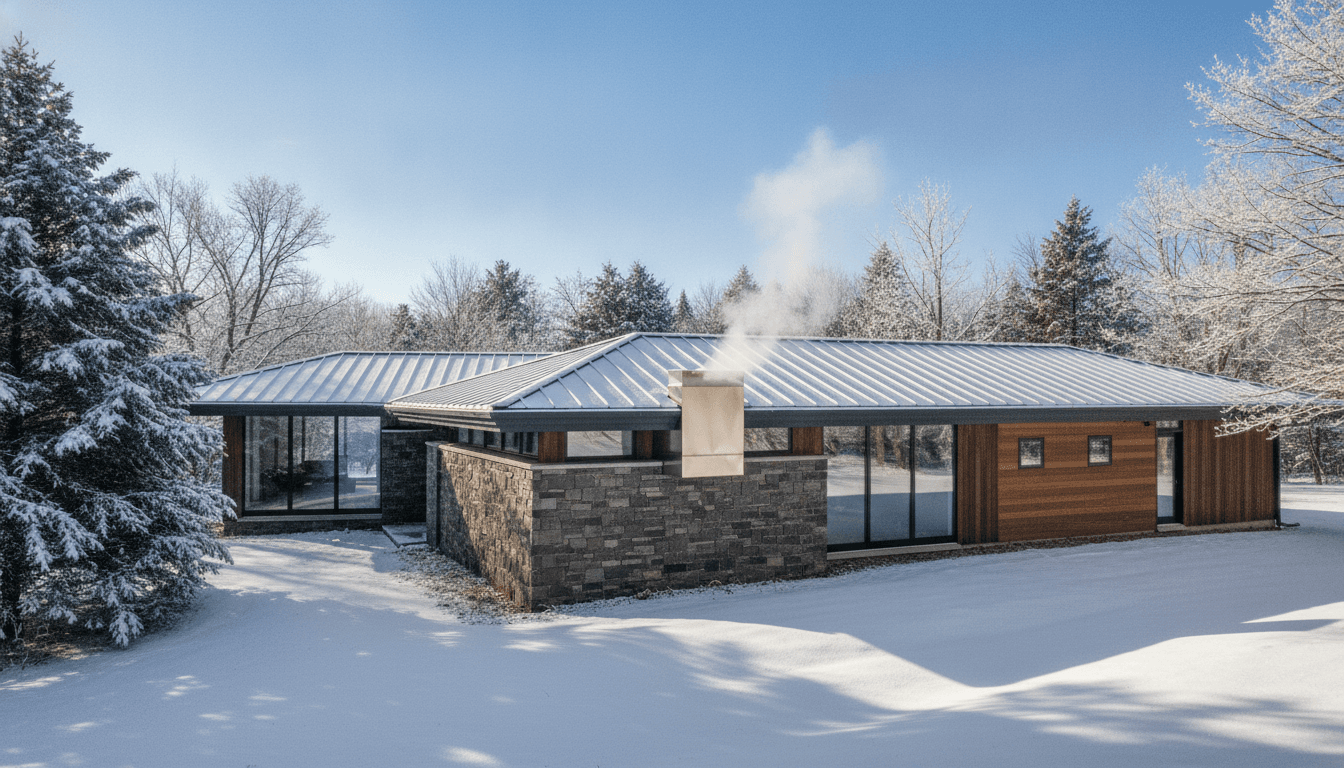
Standing seam metal offers a premium look with hidden fasteners to prevent leaks. This style costs between $10 and $16 per square foot. It sheds snow easily, making it popular in the northern counties.
Natural Slate
Slate is a local heritage material tied to historic quarries in the Lehigh Valley. A new slate roof is an enormous investment, costing $12 to $26 per square foot.
The payoff is a lifespan that can reach 60 to 200 years. Homes often require structural reinforcement to support the massive weight of the stone tiles.
Cedar Shake and Flat Roof Membranes
Cedar shakes cost $8 to $15 per square foot and offer a rustic appearance. They last about 30 years but require regular maintenance to prevent moss growth in damp climates.
Flat roofs use EPDM rubber membranes that cost $4.60 to $9.20 per square foot. This material is common on rowhomes and commercial buildings across the eastern half of the state.
Estimates Based on Your Home Size
The overall size of your property dictates the volume of materials and hours of labor required. A larger footprint naturally leads to a higher final invoice. These baseline figures assume a standard architectural asphalt shingle installation.
A small 1,000-square-foot roof typically costs between $5,300 and $9,000. Stepping up to a 1,500-square-foot roof brings the range to $7,950 to $13,500.
A 2,000-square-foot roof sits right at the state average of $10,600 to $18,000. Large homes with 3,000 square feet of roof space will see bills ranging from $15,900 to $27,000.
Local Price Differences Across the State
Labor rates and municipal permitting rules change drastically depending on your zip code. Urban centers command higher hourly wages for crews. Rural areas might offer cheaper labor but higher transportation costs for materials.
You should expect your location to swing the total price by as much as 20 percent. The state features distinct regional pricing tiers based on local economic factors.
Philadelphia Metro
The Philadelphia, PA, region features the highest roofing costs in the state. Union labor rates often reach $80 to $95 per hour.
The city also operates its own separate Department of Licenses and Inspections. This creates unique permitting hurdles that add administrative time and fees to your project.
Pittsburgh and Western PA
Western counties deal with steep hillsides and distinct seasonal moisture issues. Labor rates here generally run $75 to $90 per hour.
Homes in Pittsburgh, PA, often feature steep roof pitches that require specialized safety equipment. This slows down the crew and increases the total labor hours.
Lehigh Valley and Reading
Allentown, PA, and Reading, PA, represent the middle tier for state pricing. Contractors in this region typically charge $68 to $82 per hour for labor.
The area blends older historic homes with sprawling new construction. This forces crews to adapt to a wide variety of structural challenges on a daily basis.
Harrisburg and Central PA
Central counties offer some of the most competitive pricing available. Labor rates hover between $60 and $75 per hour around Harrisburg, PA.
The relatively flat terrain and lower cost of living help keep overhead low. Many contractors serve a wide radius across the rural center of the state.
Erie and Northwest PA
The northwest corner of the state battles intense lake-effect snow from Lake Erie. Roofs in Erie, PA, must withstand snow loads of 50 to 70 pounds per square foot.
Contractors must install heavy-duty underlayment and ice shields to meet building codes. These mandatory weatherproofing upgrades increase the material costs for every job.
Factors That Drive Up the Final Bill
A base quote only covers the shingles, standard labor, and basic disposal. Most homes require extra work to bring the structure up to current building codes. Uncovering hidden problems during the tear-off phase will change the final price.
You should set aside an extra 10 to 15 percent of your budget for unexpected repairs. The exact shape and condition of your house dictates the final scope of work.
Size and Complexity
A simple gable roof with two flat sides is fast and cheap to replace. Adding dormers, valleys, and steep pitches slows the work down.
Crews must cut materials to fit around every angle. Complex designs require more safety gear and increase the amount of wasted shingles.
Tear-Offs and Existing Layers
Many older homes have two or three layers of old shingles stacked on top of each other. Building codes now require contractors to strip everything down to the bare wood.
Removing extra layers doubles the tear-off labor and the landfill fees. This is a common surprise expense for buyers of historic properties.
Structural Repairs
Contractors cannot install new shingles over rotten wood. Replacing damaged plywood decking costs between $2 and $7 per square foot.
Older houses might have spaced plank sheathing instead of solid plywood panels. Crews must install new solid decking over the planks to meet modern shingle warranty requirements.
Add-Ons and Ventilation
Roof features like chimneys and skylights require new metal flashing to prevent leaks. Basic flashing replacement adds $300 to $1,000 to the job.
Installing a new skylight can cost $800 to $2,500 depending on the model. Upgrading your attic ventilation with new ridge vents or soffit panels will also increase the total.
Permits and Contractor Requirements
Municipalities charge anywhere from $50 to $500 for a roofing permit. The exact fee depends on your local borough or township rules.
State law requires roofers to hold a Home Improvement Contractor registration under Act 132 of 2008. They must carry a minimum of $500,000 in liability insurance to operate legally.
Timing the Project
Roofing is a seasonal business with peak demand in April and October. Contractors charge premium rates during these busy months.
You might find better pricing by scheduling the work in early spring or late fall. Crews are eager to fill their schedules during the shoulder seasons.
Will Homeowners Insurance Pay for It?
Homeowners insurance policies only cover sudden and accidental damage. If a severe thunderstorm or hail event destroys your shingles, your policy will likely pay for the replacement. They will not cover a roof that simply failed due to old age and normal wear.
You should check whether you have an Actual Cash Value or Replacement Cost Value policy. An Actual Cash Value policy deducts depreciation based on the age of your roof. A Replacement Cost Value policy pays the full current price of a new roof minus your deductible.
Claims often get denied if the adjuster finds evidence of long-term neglect. You should document any storm damage immediately with photos and call a contractor for an inspection before filing the claim. Some carriers offer premium discounts if you install impact-resistant shingles during the replacement.
Finding a Fair and Accurate Quote
You should always get at least three written estimates before signing a contract. A professional quote will break down the exact materials, labor costs, and disposal fees line by line. Vague estimates that just show a single lump sum are a major red flag.
Make sure every quote includes the cost of tearing off the old roof and replacing bad decking. You can verify a company's legal status through the state Attorney General's contractor registry. Reading reviews on our roofers category page can also help you evaluate local reputations.
Paying for the Project Over Time
Replacing a roof is a massive upfront expense that many homeowners cannot cover in cash. Many local contractors partner with third-party lenders to offer installment plans.
You can often secure financing with low monthly payments to spread the cost over several years. Personal loans and home equity lines of credit are also popular ways to fund the project without draining your savings. Reading local blog resources can help you compare different home improvement loan products.
How to Calculate Your Own Estimate
You can estimate your own budget using a simple math formula. First, find the square footage of your home's footprint and multiply it by 1.3 to account for the roof pitch and overhangs.
Divide that number by 100 to find your total roofing squares. Multiply the roofing squares by the per-square-foot cost of your preferred material to get a rough baseline. This manual calculation gives you a solid starting point before you call a professional.
Frequently Asked Questions
How much does a roof replacement cost in Pennsylvania in 2026?
A typical replacement runs between $8,000 and $18,500. The average homeowner pays around $12,000 for a standard 2,000-square-foot roof. Your exact price depends on the materials and your local labor market.
What is the average cost per square foot to replace a roof in PA?
Installed prices range from $4.50 to $10.25 per square foot for most common materials. Contractors measure this in roofing squares, which equal 100 square feet of surface area. A steeper pitch means more surface area and a higher cost.
How much does a new asphalt shingle roof cost in PA?
Basic 3-tab asphalt shingles cost $3 to $6 per square foot and last about 20 years. Upgraded architectural shingles run $5.30 to $9 per square foot. Most buyers choose the architectural option for better durability and wind resistance.
Does homeowners insurance cover roof replacement in Pennsylvania?
Insurance covers sudden damage from events like windstorms and hail. Policies explicitly exclude replacements needed due to natural aging or poor maintenance. You should review your declarations page to see how depreciation affects your payout.
Why do roofing quotes vary so much between contractors?
Quotes differ based on the quality of materials and the scope of the tear-off. One contractor might include new plywood decking while another assumes the old wood is fine. You should compare the line items to ensure you are looking at equivalent jobs.
Do I need a permit for a roof replacement in Pennsylvania?
Yes, most municipalities require a building permit that costs between $50 and $500. The state Uniform Construction Code governs the work, but local offices handle the paperwork. Philadelphia residents face a separate process through the city department.
What roofing material lasts longest in Pennsylvania's climate?
Natural slate is the longest-lasting option, routinely surviving 60 to 200 years. Standing seam metal is the next best choice, easily lasting 40 years while shedding heavy snow. Both options handle the state freeze-thaw cycles better than standard asphalt.
Bottom Line on What You Can Expect to Pay
A new roof is a major investment that protects the rest of your home from the elements. Most residents will spend around $12,000 to $15,200 for a standard architectural shingle installation. Your final bill will rely on the size of your house and the specific material you select.
You should secure at least three detailed quotes from registered local contractors. Comparing line items ensures you get a fair market price for your specific zip code.