pest-control
How to Choose a Pest Control Company in Pennsylvania: Licenses, Contracts, and the Questions That Filter Out the Weak Bids
How to choose a pest control company in Pennsylvania: verify state licensing, compare contract scope and guarantees, and ask the questions that expose weak bids.
In This Article
How to Choose a Pest Control Company in Pennsylvania: Licenses, Contracts, and the Questions That Filter Out the Weak Bids
A Pennsylvania homeowner calling about mice in October and a homeowner calling about spotted lanternfly in August need two different companies, and the sales script sounds identical on the phone. That is the core problem with hiring pest control here. Every company answers yes to every pest, and the price quoted before anyone looks at your foundation is close to meaningless.
The state does give you a real tool for sorting them out. Anyone applying pesticides commercially in Pennsylvania has to be certified by the Department of Agriculture, and the business itself has to be registered. Checking that takes five minutes and immediately removes a share of the people knocking on doors in the spring.
Pennsylvania also has an unusual pest mix because of its geography. Philadelphia and the southeastern counties sit in genuine subterranean termite country, the Poconos and the northern tier get mice and bats, and the whole state has spent the last several years dealing with lanternfly and brown marmorated stink bug pressure that did not exist a generation ago. A company built around one of those problems is not automatically good at the others.
Start With the License, Not the Google Reviews
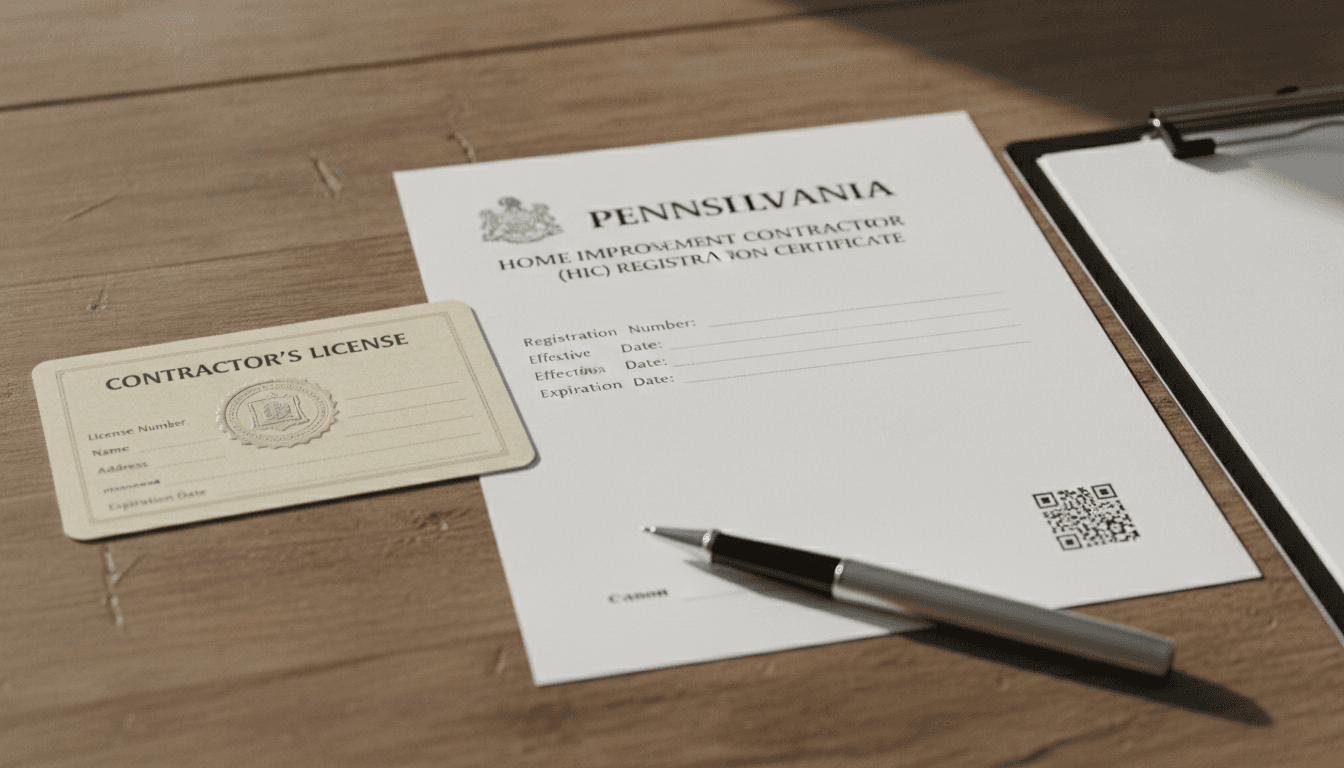
Pennsylvania requires a pesticide application business license for any company applying pesticides for hire, and the individual technicians must hold certification in the relevant category. For structural work, that is Category 7 or one of its subcategories. Ask for the business license number and the technician's certification, and ask which category it covers.
Reviews tell you about scheduling and politeness. They almost never tell you whether the person who treated the house was certified to do it, whether the label was followed, or whether the product used was appropriate for the pest. Those are the things that determine whether the treatment works and whether your household is exposed to something it should not be.
Insurance is the second document. General liability is standard, and any company doing termite work or drilling slabs should carry it at a level that would cover damage to your home. A company that hesitates when you ask for a certificate has told you something useful.
What the Contract Should Say Before You Sign
Pennsylvania's Unfair Trade Practices and Consumer Protection Law gives you rights on door-to-door sales, and a fair number of pest control contracts are still sold that way in the suburbs each spring. If someone signs you up at your front door, you generally have three business days to cancel in writing. Companies that pressure you past that point are worth reporting.
Read the renewal clause specifically. Many quarterly plans auto-renew annually and bill the first quarter before anyone calls you, and the cancellation window is often narrow. A good company will tell you the renewal terms without being asked.
Guarantees That Mean Something
A retreatment guarantee says the company comes back at no charge if the pest returns between scheduled visits. That is the minimum, and nearly everyone offers it. It costs them very little because most return visits are quick.
A damage warranty is a different instrument and it matters for termites. It obligates the company to pay for repairs to structural damage that happens while the contract is active, usually up to a stated dollar cap. Read the cap, read the exclusions for prior damage, and read what happens if you skip an annual inspection.
Match the Company to the Pest You Have
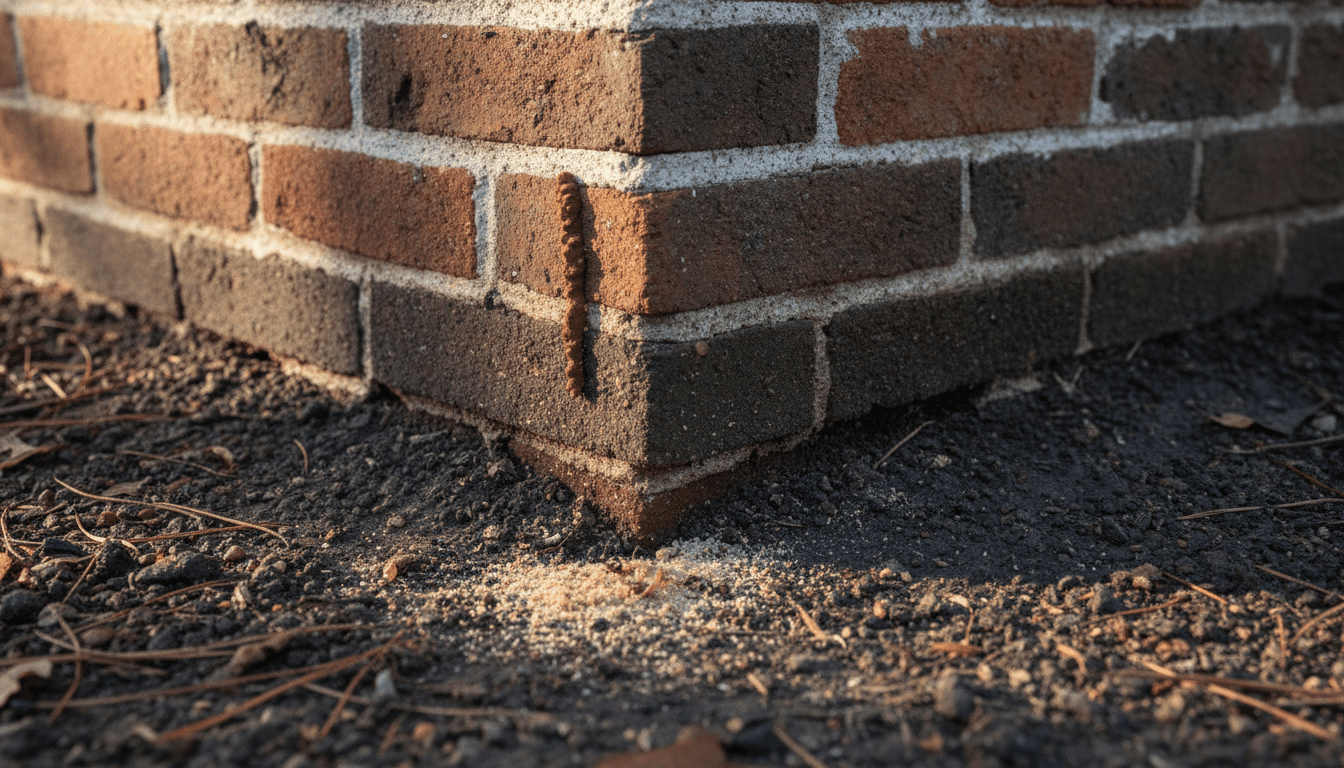
Southeastern Pennsylvania has active eastern subterranean termite pressure, and Philadelphia, Delaware, Chester, Montgomery, and Bucks counties see the most of it. Treatment there means either a liquid soil barrier around the foundation or a monitored bait system, and both are multi-thousand-dollar decisions. A company that sells only one and tells you the other does not work is selling, not diagnosing.
Older rowhomes and twins in Philadelphia, Pittsburgh, and the river towns share walls, which changes everything about roaches, mice, and bed bugs. Treating one unit while the neighbor does nothing produces a short-lived result and a frustrated homeowner. Ask directly how the company handles shared-wall structures and whether they will coordinate with adjacent owners.
Mice are the fall problem across the whole state. Southcentral farm country, the Lehigh Valley, and the northern tier all see the same October push indoors when night temperatures drop into the 40s. A company whose entire mouse answer is bait stations on the perimeter has skipped the part that works, which is finding and sealing entry points at the sill plate, the dryer vent, and the utility penetrations.
Lanternfly, Stink Bugs, and Seasonal Work
Spotted lanternfly established itself in Berks County and spread across most of the southeast and beyond. Treatment is possible on host trees and structures, though nobody should promise elimination on a residential lot. A company that guarantees a lanternfly-free yard is overselling a pest that flies in from the next property.
Brown marmorated stink bugs push into attics and wall voids in late September and October, and the honest answer is that an exterior perimeter treatment timed to that window works better than anything done once they are inside. If the pitch is a winter treatment for stink bugs already in your walls, ask what the expected result is.
Get Three Quotes and Compare Scope, Not Price
Pennsylvania pricing for a general quarterly plan on a typical single-family home runs roughly $400 to $650 a year, with the higher end in the Philadelphia collar counties and the lower end in the west and the northern tier. A one-time interior and exterior treatment for a specific problem runs $150 to $400. Termite liquid treatments on an average home run $1,200 to $3,000, and bait systems run $1,000 to $2,000 to install plus annual monitoring.
Those numbers only compare if the scope matches. Ask each company for the same three things in writing: what pests are covered, how many visits per year, and what an emergency callback costs. Then look at what one company included that the others quietly left out.
A written inspection report should come before a quote on anything structural. For termites, that means a diagram of the foundation showing conducive conditions, evidence found, and the proposed treatment locations. A quote emailed after a phone call, with no one having walked the perimeter, is a guess with a number attached.
Questions Worth Asking on the Phone
- What is your business license number with the Pennsylvania Department of Agriculture?
- Which product are you proposing, and can I see the label and safety data sheet?
- Is the technician who inspects my home the same one who treats it?
- What does the contract cost in year two, and does it renew automatically?
- What happens if the problem is still there after two treatments?
The answers separate operators from salespeople faster than any review site. A technician who knows the product name, the active ingredient, and why it fits your situation has spent time in training. Someone who says they will have to check is not the person you want writing the treatment plan.
Watch for the Patterns That Precede a Bad Job
Door-to-door spring sales in Pennsylvania suburbs follow a predictable rhythm, and the pitch usually involves a neighbor's name, a discount that expires today, and a truck already in the area. Legitimate companies do knock on doors. The difference is whether they will leave a card and let you call back on Monday.
Free inspections that end in a same-day termite contract deserve a pause. Termites do not eat a house in a week, and a second opinion on a $2,500 treatment costs nothing. Any company that tells you the damage is urgent enough to skip that step has given you a reason to get one.
Mold remediation, insulation, and crawl space encapsulation sold during a pest inspection are separate trades. Some pest companies do them well. Bundling them into a termite contract at the kitchen table, with financing attached, is where Pennsylvania homeowners most often overpay.
The cleanest way to compare is to make each company bid the same written scope, then check each one against the state license database before you sign anything. Working through a short list of licensed Pennsylvania pest control companies beats calling the first ad you see, and our Pennsylvania home services guides walk through what the neighboring trades should cost.
Frequently Asked Questions
Do pest control companies in Pennsylvania have to be licensed?
Yes. The Pennsylvania Department of Agriculture licenses pesticide application businesses and certifies individual applicators by category, and structural pest work falls under Category 7. Ask for both the business license number and the technician's certification card, and verify them before the first treatment.
How much does quarterly pest control cost in Pennsylvania?
Most single-family homes land between $400 and $650 a year for a general plan covering ants, spiders, roaches, and mice. Philadelphia-area pricing runs above that, and homes over about 3,000 square feet or with heavy exterior clutter get quoted higher.
Is a termite bond worth it in Pennsylvania?
In the southeastern counties, where eastern subterranean termite activity is common, an annual renewal with a damage warranty is reasonable protection on a $1,200 to $3,000 treatment. In parts of the northern tier where pressure is lower, an annual inspection without a full warranty may be the better spend.
Can I cancel a pest control contract signed at my door?
Generally yes. Pennsylvania consumer protection law gives you three business days to cancel most home solicitation sales in writing, and the company should provide notice of that right at signing. Send the cancellation by a method that creates a record.
What time of year should I schedule treatment in Pennsylvania?
Exterior perimeter work in late April through May handles ants and spiders before populations build. A second application in late September ahead of the mouse and stink bug push indoors covers the fall problem, which is why quarterly plans in this state are timed the way they are.