roofers
How to Choose a Roofer in Pennsylvania: Registration Numbers, Slate Skills, and Contract Red Flags
How to choose a roofer in Pennsylvania: verify the PA registration number, match the crew to slate or flat roofs, and know the contract terms law requires.
In This Article
- Start With the Registration Number
- Match the Roofer to the Roof You Have
- What the Contract Has to Say
- Insurance, Workers Comp, and the Call You Should Make
- Storm Chasers and Insurance Claims
- Ventilation, Ice Dams, and the Details Bids Skip
- Deposits, Payments, and Getting Your Money's Worth
- Frequently Asked Questions
How to Choose a Roofer in Pennsylvania: Registration Numbers, Slate Skills, and Contract Red Flags
A full asphalt shingle replacement on an average Pennsylvania house runs about $10,000 to $22,000 in 2026. Slate work on a Lehigh Valley farmhouse or a Chestnut Hill twin starts higher than that and can pass $60,000, and a low slope rowhome roof in Philadelphia prices by a completely different method.
Those numbers are worth knowing, though they are not the reason most roofing jobs go wrong. Bad outcomes here usually trace to hiring the wrong company rather than paying the wrong price, and Pennsylvania gives homeowners a few specific tools for sorting that out.
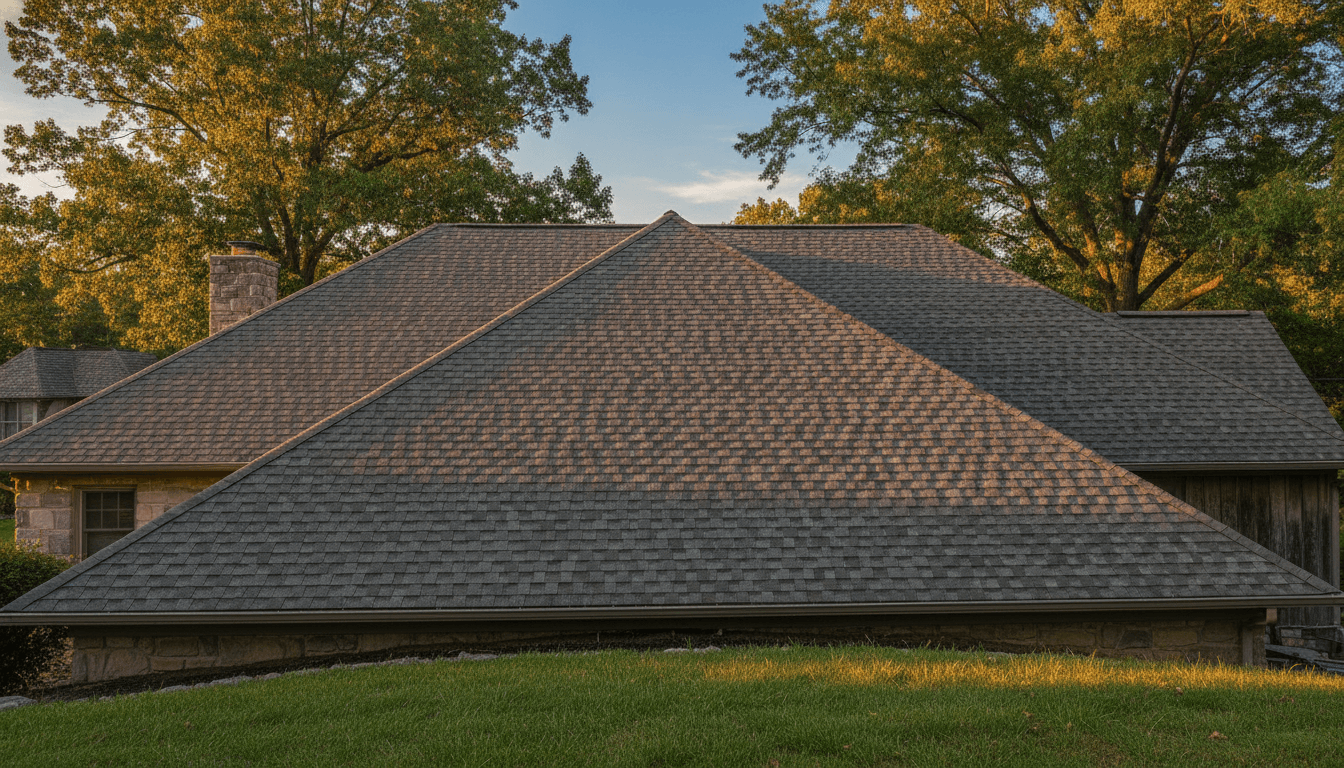
The state also has an unusual mix of roof types for one jurisdiction. Original slate, standing seam metal, flat coal tar and modified bitumen, and ordinary architectural shingle all exist within a few miles of each other in places like Reading, Scranton, and West Philadelphia. A crew that is good at one is not automatically good at another.
Start With the Registration Number
Pennsylvania's Home Improvement Consumer Protection Act requires anyone performing more than $5,000 a year of home improvement work for state residents to register with the Office of Attorney General. That registration produces a PA number, and the law requires it to appear on contracts, estimates, and advertising.
Checking it costs you two minutes. The Attorney General's office runs a public contractor search where you enter the number or the business name and see whether the registration is active, when it expires, and what business name it belongs to.
A mismatch is the useful signal. If the truck says one company name, the estimate says another, and the registration belongs to a third, you are looking at a sales operation that subcontracts the work, and your recourse gets complicated when something fails in year three.
Registration is not a skill certification. It confirms the company filed paperwork and carries the required insurance, so treat a valid PA number as a first filter and keep going.
Match the Roofer to the Roof You Have
Pennsylvania roofs fall into categories that need genuinely different trades. A crew that tears off and replaces 30 asphalt roofs a month has real skill at that work and no business walking on a hundred year old slate roof, where a misplaced boot cracks tiles that cost more to replace than the walk was worth.
Ask directly how many roofs of your specific type the company completed in the last year. Vague answers about doing everything are informative in their own way, and a specialist will usually name job sites within a few miles of you.
Photographs matter more than reviews here. Ask to see recent work on the same material and the same era of house, since an 1890s twin carries framing history that new construction does not.
Slate, Tile, and Standing Seam
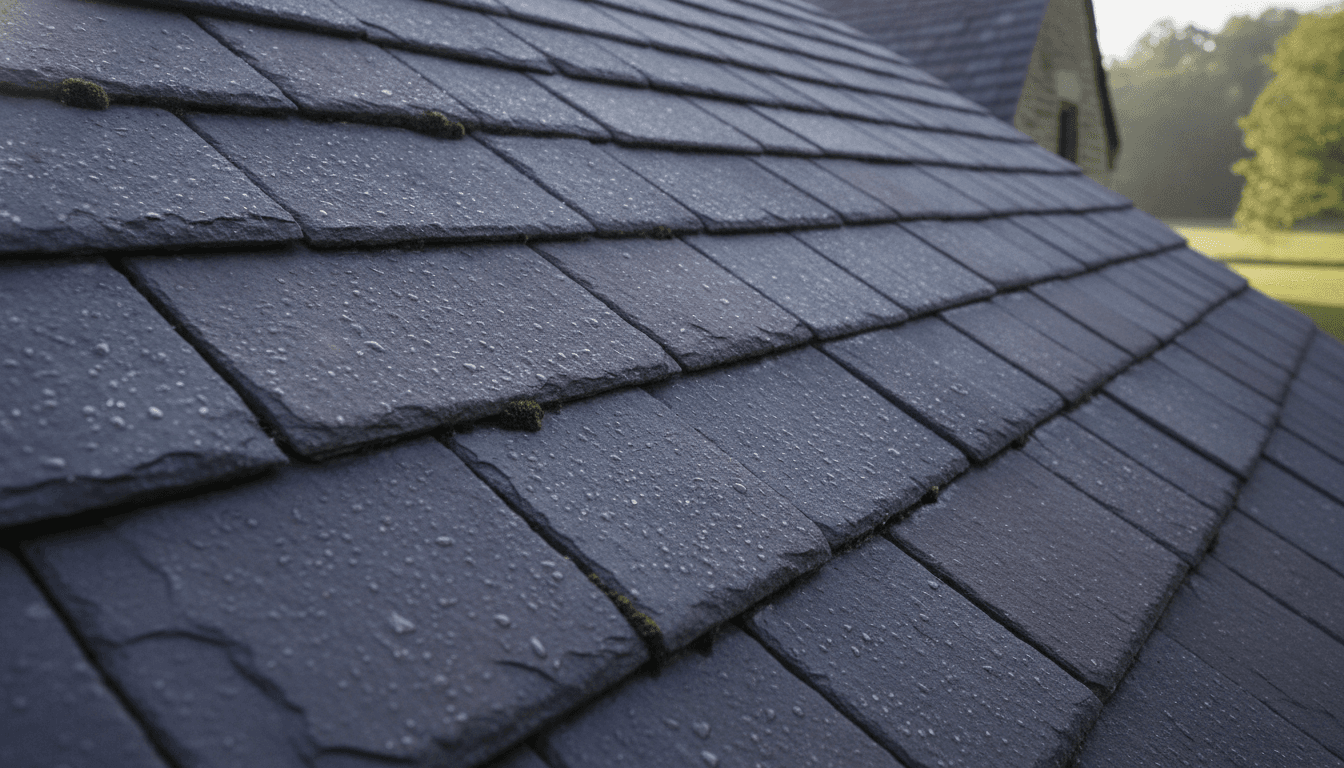
Pennsylvania produced slate commercially for over a century, and the roofs are still out there across the Slate Belt, Chester County, and older city neighborhoods. A slate roof in reasonable condition is often repairable for decades rather than replaceable, and a competent slater will tell you that instead of quoting a tear off.
Repair pricing runs roughly $800 to $3,500 for a section, depending on access and how many slates are broken. Full replacement with new or salvaged slate generally starts around $35,000 and climbs from there, which is why finding someone who repairs rather than replaces is worth the search.
Standing seam metal shows up on barns, farmhouses, and porch roofs statewide. Ask whether the installer fabricates panels on site or orders them cut, and whether they use concealed clips that allow thermal movement, because a metal roof fastened wrong buckles within a few seasons.
Flat and Low Slope City Roofs
Rowhome roofs in Philadelphia, Pittsburgh, Allentown, and Scranton are mostly low slope, and they price by square foot rather than by squares of shingle. Modified bitumen and EPDM installations generally run $8 to $16 per square foot, and a silicone or acrylic coating over a sound existing membrane runs $4 to $9.
Coating is a real repair when the substrate is dry and a waste of money when it is not. A roofer who proposes coating without a moisture survey or at least a thorough probe of the existing roof is selling a product rather than solving your leak.
Party wall flashing is where most rowhome leaks start. Ask specifically how the bid handles the parapet, the wall between you and your neighbor, and the drain or scupper, because those three details account for more callbacks than the field of the roof ever does.
What the Contract Has to Say
State law sets a floor for what a home improvement contract contains, and a roofer whose paperwork ignores it is telling you something. Any home improvement contract over $500 in Pennsylvania is required to be in writing and signed by both parties before work begins.
Read the scope before the price. A bid that says "replace roof" and gives a number is not a contract you can enforce, while one that specifies underlayment type, ice barrier coverage, drip edge, ridge vent linear footage, and flashing replacement gives you something to hold the company to.
The contract should include these items, most of which the law requires outright:
- The contractor's PA home improvement registration number
- Approximate start and completion dates
- The full description of work and the materials to be used
- Total price and the payment schedule
- A statement of your right to cancel within three business days
- Proof of liability insurance carried by the contractor
- The names of any subcontractors the company intends to use
Change order language deserves a look too. Decking replacement is the most common surprise on a Pennsylvania tear off, so agree on a per sheet price in the original contract instead of negotiating it with a crew standing on your open roof.
Insurance, Workers Comp, and the Call You Should Make
Ask for a certificate of insurance and then call the agency listed on it. The certificate should show general liability and workers compensation, and the agency can confirm in one phone call whether the policy is still in force on the day your job starts.
Pay closest attention to the workers compensation line. A roofer who falls off your house without it can come after the homeowner, and your carrier's denial letter tends to arrive well after the lawyer does.
State law sets a minimum for personal injury and property damage liability coverage on registered contractors. That floor is low next to what a roofing failure costs, so a company carrying $1,000,000 in general liability is the safer hire.
Manufacturer certifications fill in the rest. Shingle makers certify installers and reserve their longer system warranties for certified crews, so a company holding one for several years has been audited more than once.
Storm Chasers and Insurance Claims
Hail and wind events in central and western Pennsylvania bring out of state crews within days. Some do fine work. The pattern to watch for is a door knock, an offer to inspect for free, a claim filed the same afternoon, and pressure to sign something before the adjuster arrives.
Never sign a document that assigns your insurance benefits to a contractor. Those agreements move control of your claim to a company you met that morning, and untangling one takes a lawyer.
Get your own adjuster inspection and your own independent bid. A local roofer with a five year history in your county has a reason to answer the phone in 2031, and the storm crew billing from three states away does not.
Deductible handling is the other tell. A contractor offering to absorb or waive your insurance deductible is proposing something the insurer treats as fraud, and homeowners have been dragged into those cases.
Ventilation, Ice Dams, and the Details Bids Skip
Ice dams are a Pennsylvania problem from the Poconos through the northern tier and across the Erie snowbelt. They form when heat escaping into the attic melts snow that refreezes at the cold eave, and no shingle stops water that backs up under it.
Ice barrier membrane at the eaves is the code answer, and how far up the slope it runs is worth reading in the bid. A roofer quoting a single three foot course on a low pitch roof in Erie County is meeting a minimum rather than solving the problem.
Ventilation is the other half. A roof needs balanced intake at the soffit and exhaust at the ridge, and adding a ridge vent without opening blocked soffits does close to nothing. Ask what the bid does about intake, since that is the part that gets left out.
Attic insulation and air sealing belong in the same conversation even though a roofer may not sell them. Fixing the heat loss is what ends the ice dam cycle, and comparing notes from two or three roofing contractors working in your county usually surfaces who understands that.
Deposits, Payments, and Getting Your Money's Worth
Pennsylvania limits what a contractor can collect up front. Deposits on a home improvement contract are capped at one third of the contract price, plus the cost of any special order materials, and a company demanding half before the truck arrives is outside the law.
Structure the rest against milestones. Paying on tear off completion, dry-in, and final walkthrough keeps everyone motivated, and holding a final payment until you have walked the property and seen the magnet run for nails is standard practice.
Ask for lien waivers from the supplier and any subcontractors when you make the final payment. A homeowner who paid the general contractor in full can still face a mechanics lien if the shingle supplier never got paid.
Warranty paperwork should arrive in writing before the last check. There are two separate warranties on most jobs, one from the manufacturer on materials and one from the contractor on workmanship, and the workmanship term is where companies differ most. Our home service pricing and hiring guides walk through the same comparison process for siding, gutters, and HVAC work.
Frequently Asked Questions
Do roofers have to be licensed in Pennsylvania?
There is no state roofing license. Contractors doing more than $5,000 a year of home improvement work are required to register with the Office of Attorney General and display that PA number, and some municipalities add their own permit or registration requirement on top.
How much deposit can a Pennsylvania roofer ask for?
One third of the contract price plus the cost of special order materials is the legal ceiling. On a $16,000 asphalt job that means roughly $5,300 up front unless a custom metal or slate order justifies more.
Can I cancel a roofing contract after signing it?
Yes, within three business days of signing, and the law requires that notice to appear in the contract itself. Cancel in writing and keep proof of when you sent it.
Should I use the roofer my insurance company recommends?
Carrier preferred lists are a starting point, and you retain the right to hire whoever you want. Get one bid from the recommended company and at least one from a local roofer with a long history in your area, then compare scope line by line rather than comparing totals.
How long should a workmanship warranty last?
Five to ten years is common in Pennsylvania and two years is thin. What matters more than the number is whether the company has been in business long enough to make the term meaningful, so check the registration date alongside the warranty length.