tree-service
How to Choose a Tree Service Company in Pennsylvania
Pennsylvania has no statewide tree service license, so vetting falls on you. Here is how to check arborist credentials, insurance, bids, and storm-chaser red flags.
In This Article
- Look for an ISA Certified Arborist on Staff
- Ask for Insurance Certificates Sent Straight From the Insurer
- Expect Storm Chasers After Big Wind Events
- Dead Ash Trees Are Their Own Category of Risk
- Get Written Estimates That Spell Out the Whole Job
- Screen Companies With Five Minutes of Questions
- What Changes Between Philadelphia, Pittsburgh, and Rural Counties
- Frequently Asked Questions
How to Choose a Tree Service Company in Pennsylvania
Pennsylvania has no statewide license for tree service companies. The state regulates barbers, auctioneers, and home inspectors, but anyone with a chainsaw and a pickup truck can start marketing themselves as a tree expert the same afternoon they buy the saw.
That gap puts the vetting burden on the homeowner, and the stakes are real. Bad tree work crushes fences, tears up lawns, and drops limbs through roofs, and an uninsured crew can turn a $1,200 removal into a five-figure liability claim against you.
The screening process is not complicated. It takes about 20 minutes of phone calls and document checks, and most of the bad operators wash out on the first two steps before you ever talk price.
Look for an ISA Certified Arborist on Staff
The International Society of Arboriculture credential is the closest thing Pennsylvania has to a tree work license. Earning it takes three years of documented field experience plus a passing score on a proctored exam, and keeping it requires continuing education every three years.
Verification costs you nothing. Ask the company for the arborist's name and certification number, then run it through the ISA's free online credential lookup instead of trusting a logo painted on a truck door.
Certification matters most for pruning, cabling, and health assessments, where bad cuts cause slow, permanent damage. For a straightforward removal it ranks below insurance, but an arborist on staff still signals a company that spends money on training as well as trucks.
One caution applies here. A company can employ a single certified arborist and still send an untrained crew to your property, so ask whether the certified person will assess the job in person or at least review the work plan.
Ask for Insurance Certificates Sent Straight From the Insurer
Tree work has one of the highest injury rates of any trade in the country. If a climber gets hurt in your yard and the company carries no workers compensation, the claim can land on your homeowners policy, and sometimes on you personally.
Every bidder should produce two documents: a general liability certificate and a workers compensation certificate. Photocopies handed over the tailgate prove little, since certificates get altered and policies get canceled a week after they are bound.
The reliable method is to have the company's insurance agent email both certificates to you directly. Legitimate companies field this request every week and will not push back, and a $1 million liability limit is the working standard for tree services in Pennsylvania.
Walk away from anyone who dodges the request or insists the crew is covered without showing paperwork. Read the certificate for exclusions too, because some bargain policies exclude work above a certain height, which rules out most of the job.
Expect Storm Chasers After Big Wind Events
Within 48 hours of a derecho or a severe thunderstorm line, out-of-state crews start working Pennsylvania neighborhoods door to door. They point at hanging limbs, quote fast cash prices, and push hard for a signature on the spot.
A few of these are legitimate crews chasing volume. Many carry no insurance, do sloppy work at inflated prices, and are two counties away before the problems surface. The common tells show up quickly:
- Pressure to sign today, often paired with a claim that the crew is leaving the area tomorrow
- Cash-only pricing or a steep discount for cash
- No local address, no company name on the truck, or out-of-state plates
- A verbal quote with no written scope of work
A hanging limb over the driveway feels urgent, but most storm damage can safely wait the two or three days a local company needs to fit you in. Your insurance carrier would rather pay a vetted contractor once than fund a do-over.
If the damage is bad enough to involve your insurer, photograph everything before any cutting starts. Adjusters settle faster with documentation, and a reputable local company will coordinate with your claim instead of pressuring you to sign over the payout.
Dead Ash Trees Are Their Own Category of Risk
The emerald ash borer has now killed ash trees in every one of Pennsylvania's 67 counties, and dead ash is the most dangerous tree in the business. The wood turns brittle within a year or two of death, so limbs can snap under a climber's weight without warning.
Companies that know ash handle these removals with bucket trucks, cranes, or careful rigging from adjacent trees, and they price the job accordingly. A bidder who quotes your long-dead ash at half the going rate and plans to send a climber up the trunk is telling you they do not understand the material.
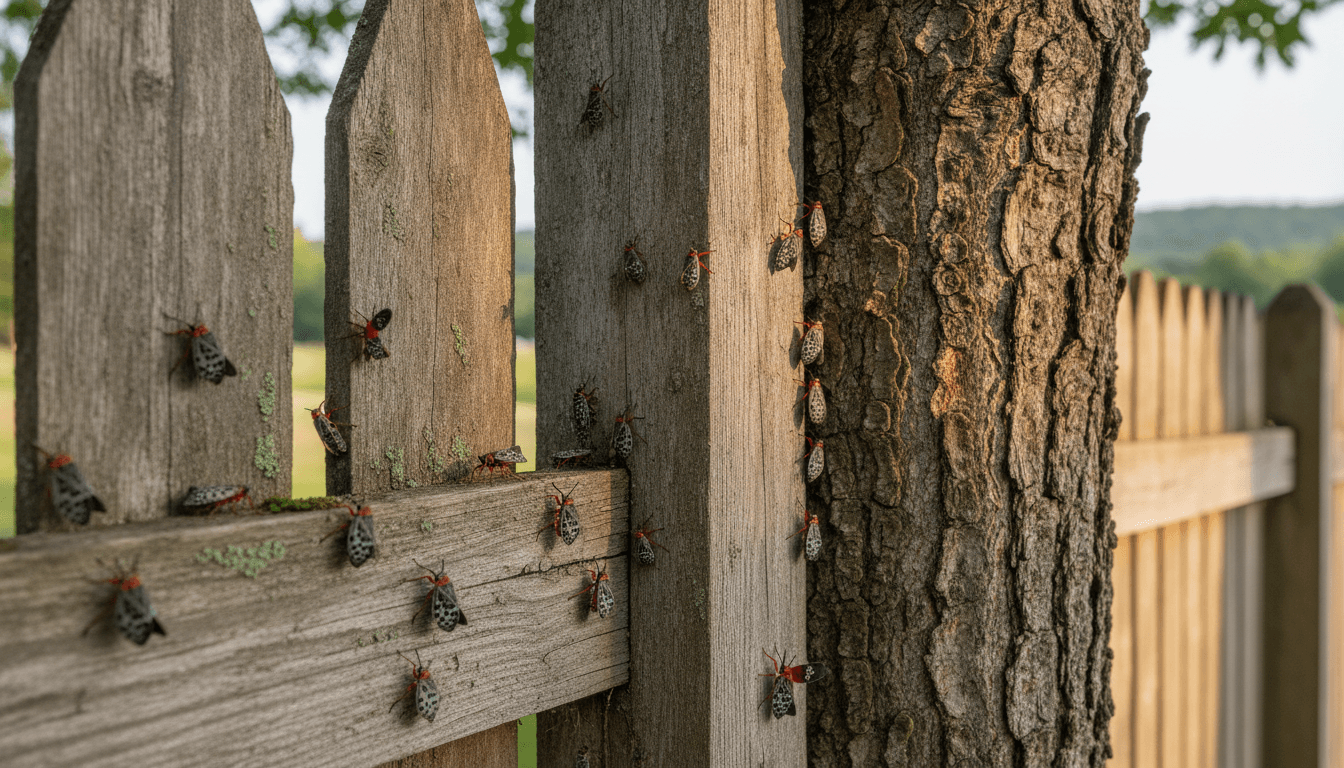
Spotted lanternfly has piled onto the workload since spreading out of Berks County, stressing maples, walnuts, and tree-of-heaven across the southeastern counties. Between the two pests, removal calendars stay full, and waits of two to four weeks for routine work are normal during the busy season.
If you have ash on your property, standing dead or still alive, ask each bidder specifically how they plan to work it. The answer separates companies that understand the species from companies that only own saws.
Get Written Estimates That Spell Out the Whole Job
A useful estimate lists which trees are coming down, how low the stumps will be cut, whether wood is hauled away or left in log lengths, and what cleanup includes. Cleanup and stump grinding are where bids quietly diverge.
One company's $1,400 bid may include grinding and full haul-away while another's $950 leaves you a stump and a brush pile. Stump grinding typically adds $100 to $350 per stump in Pennsylvania, so make every bidder state in writing whether it is part of the price.
Once the scopes match, comparing numbers means something. Three bids are worth the scheduling hassle on any job over $1,000, and you can build a candidate list from the tree service companies listed for Pennsylvania in your county.
Deposits should be small or zero for routine residential work, and plenty of established companies bill only after the debris is gone. A demand for half the money up front is a warning sign, with large crane jobs being the reasonable exception where a modest scheduling deposit is common.
If you heat with wood, mention it before the bid is written. Many crews will buck the trunk into rounds and leave it stacked near the driveway, which can shave $100 to $200 off the haul-away portion of the price.
Screen Companies With Five Minutes of Questions
A short phone script tells you most of what you need. Ask how long the company has operated under its current name, whether it subcontracts the climbing work, and who supervises the crew on site.
Request two local references from the past year, and drive past one finished job if you can. A company that has worked your township already knows the local quirks, from shade tree commission permits in some Philadelphia suburbs to tight hillside access around Pittsburgh.
Companies with year-round employees tend to be safer bets than seasonal pickup crews. Dormant-season pruning keeps skilled climbers on the payroll through winter, and skilled climbers are exactly who you want a hundred feet up over your roof.
Pay attention to how the estimator behaves on the walk-through as well. Someone who looks up into the canopy, checks the drop zone, and asks about buried utilities is planning the job, while someone who quotes from the curb in ninety seconds is guessing.
What Changes Between Philadelphia, Pittsburgh, and Rural Counties
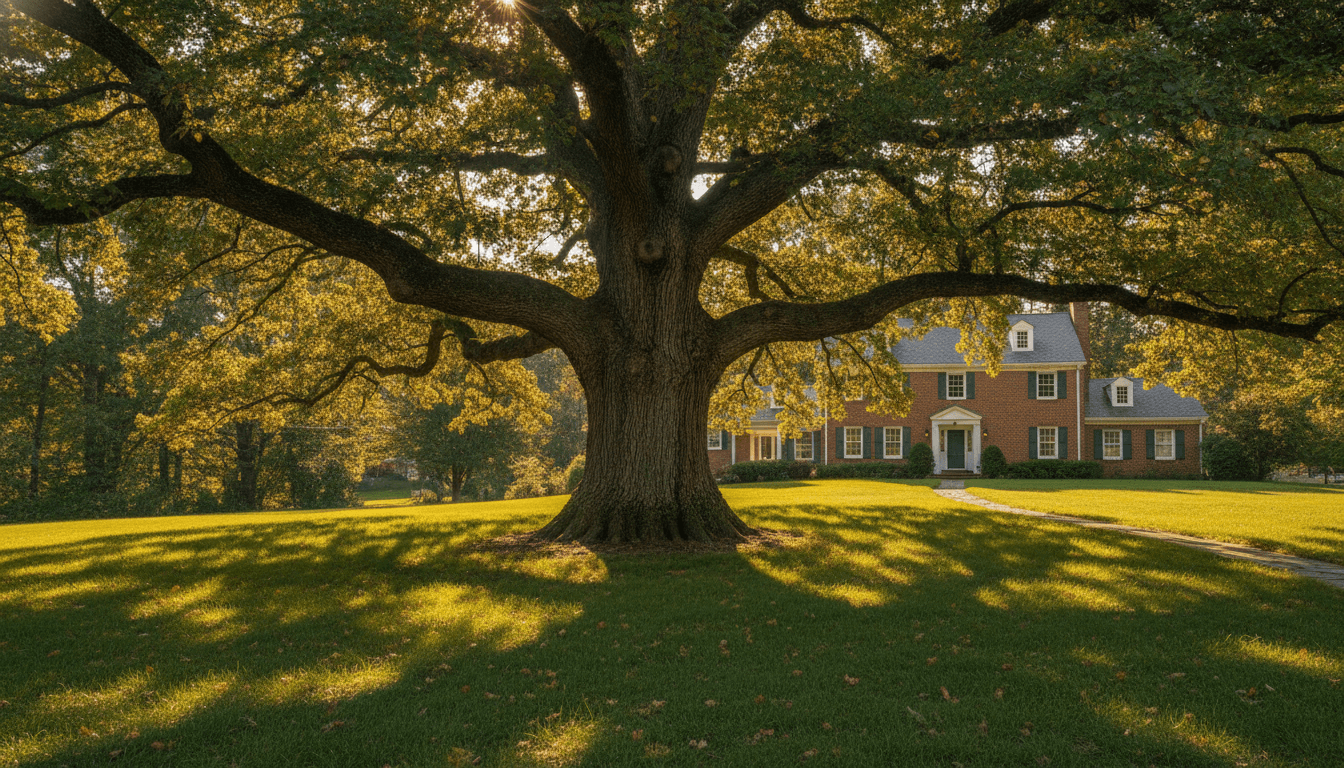
The Philadelphia suburbs carry the highest prices in the state. Taking down a mature 60-foot oak in Montgomery or Delaware County often runs $1,800 to $3,000, pushed up by tight lots, higher labor costs, and township permit requirements in some municipalities.
Pittsburgh and Allegheny County generally come in lower, with the same tree quoted around $1,200 to $2,200, though steep hillside lots can erase the savings fast. Rural counties are cheaper still, but the pool of qualified companies thins out, which makes the credential checks matter even more when the nearest certified arborist works 40 minutes away.
Wherever you live in the state, the vetting steps stay the same. We cover pruning cycles, seasonal timing, and related upkeep topics in other guides on our blog if you want more background before making calls.
Frequently Asked Questions
Does Pennsylvania require a license for tree work?
No. There is no statewide tree service license, so ISA credentials and insurer-verified certificates are your main screening tools. A handful of municipalities, mostly in the southeast, layer on their own permit or registration rules.
How much does it cost to remove a tree in Pennsylvania?
Most single-tree removals land between $600 and $2,500 statewide. A small ornamental under 30 feet may run $300 to $600, while a large oak on a tight suburban Philadelphia lot can pass $3,000.
How fast should a dead ash tree come down?
Within a year of death if it can reach a house, driveway, or play area. Brittle ash gets more expensive to remove the longer it stands, and a large one near a structure commonly runs $1,500 to $3,500.
Are door-knocking storm crews ever worth hiring?
Rarely. If one shows up, ask for insurance certificates sent directly from the insurer and a verifiable Pennsylvania address, and treat a refusal to wait 24 hours as your answer.
What is a normal deposit for tree work in Pennsylvania?
Zero to a token amount for routine jobs is standard. Reserve real deposits for crane work or multi-day projects, and keep even those under 10 to 20 percent of the contract price.
Is winter a cheaper time to schedule tree removal?
Often, yes. Once summer storm season winds down, many Pennsylvania companies knock 10 to 15 percent off routine removals to keep crews busy, and frozen ground protects lawns from equipment ruts.