electricians
How to Choose an Electrician in Pennsylvania: Licensing, Quotes, and the Red Flags That Cost You
How to choose an electrician in Pennsylvania: town-by-town licensing rules, HICPA registration, 2026 hourly rates, deposit limits, and contract red flags.
In This Article
How to Choose an Electrician in Pennsylvania: Licensing, Quotes, and the Red Flags That Cost You
Pennsylvania has no statewide electrician license. That surprises most homeowners, and it changes how you should shop. Whether the person rewiring your kitchen holds any credential at all depends on the municipality you live in, not on Harrisburg.
Philadelphia, Pittsburgh, Allentown, Scranton, and dozens of boroughs run their own licensing boards with their own exams and renewal cycles. Drive twenty minutes into a township with no licensing ordinance and the same work can legally be done by someone who has never sat for a test. The permit and inspection process is what protects you in those places, which is why the question "who is pulling the permit" matters more here than in most states.
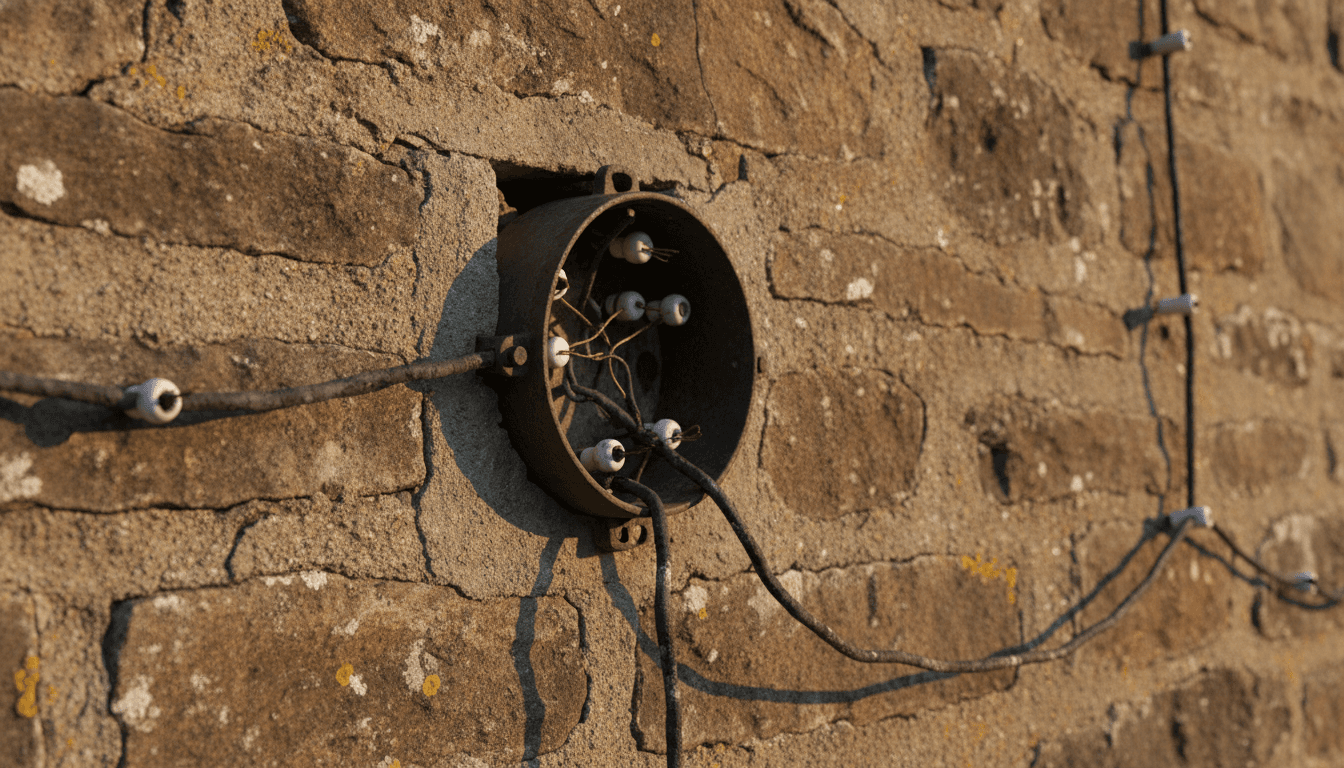
Electrical work in Pennsylvania housing is rarely simple. A third of the homes in the state went up before 1950, and Philadelphia rowhomes, Pittsburgh foursquares, and coal-region duplexes are still full of knob-and-tube runs, ungrounded two-prong outlets, and 60-amp fuse panels that were sized for a refrigerator and a radio.
Start With Licensing, Because It Varies by Town
Ask two questions before anything else: does my municipality license electricians, and does this contractor hold that license? Your local code office will answer the first one in a single phone call, and the answer determines what proof you should ask for.
In cities that do license, the credential usually splits into journeyman and master, and only a master can pull permits or run a business. Philadelphia requires a Licensed Electrical Contractor registration for anyone taking permits, and Pittsburgh runs a similar structure through its Bureau of Building Inspection. Ask for the license number and the name it is issued to, then confirm it matches the company on the estimate.
Separate from any electrical license, the Home Improvement Consumer Protection Act requires contractors doing more than $5,000 of residential work per year to register with the Pennsylvania Attorney General. That registration number begins with PA and has to appear on contracts and advertising. It is not a skills test, but an unregistered contractor is already breaking one law before touching a wire.
Insurance is the third leg. Ask for a certificate of general liability naming you as certificate holder, sent directly from the insurance agency rather than forwarded as a PDF from the contractor. Workers' compensation matters too, because an uninsured helper injured in your basement becomes your problem.
What the Permit Tells You
Pennsylvania runs a Uniform Construction Code, and most municipalities delegate electrical inspection to third-party agencies. The permit fee is small compared to the work, usually $75 to $300 for residential jobs, and the inspection is the only independent check on the job you are buying.
An electrician who suggests skipping the permit to save you money is offering to make the work invisible to your insurer and to any future buyer's home inspector. Unpermitted panel work shows up during a sale, and Pennsylvania sellers have disclosure obligations. Decline the offer and find someone else.
Get Three Written Quotes That Describe the Same Job
Electrical estimates vary more than almost any other trade, mostly because contractors scope the work differently rather than because one is greedy. A panel upgrade quoted at $1,800 and one quoted at $4,200 are often two different jobs.
Statewide, licensed electricians in Pennsylvania charge roughly $85 to $150 an hour in 2026, with Philadelphia and the Main Line at the top and rural counties in the northern tier at the bottom. Service call minimums run $100 to $250 and usually cover the first hour. Flat-rate shops price by task instead, which makes comparison easier as long as you get the task list in writing.
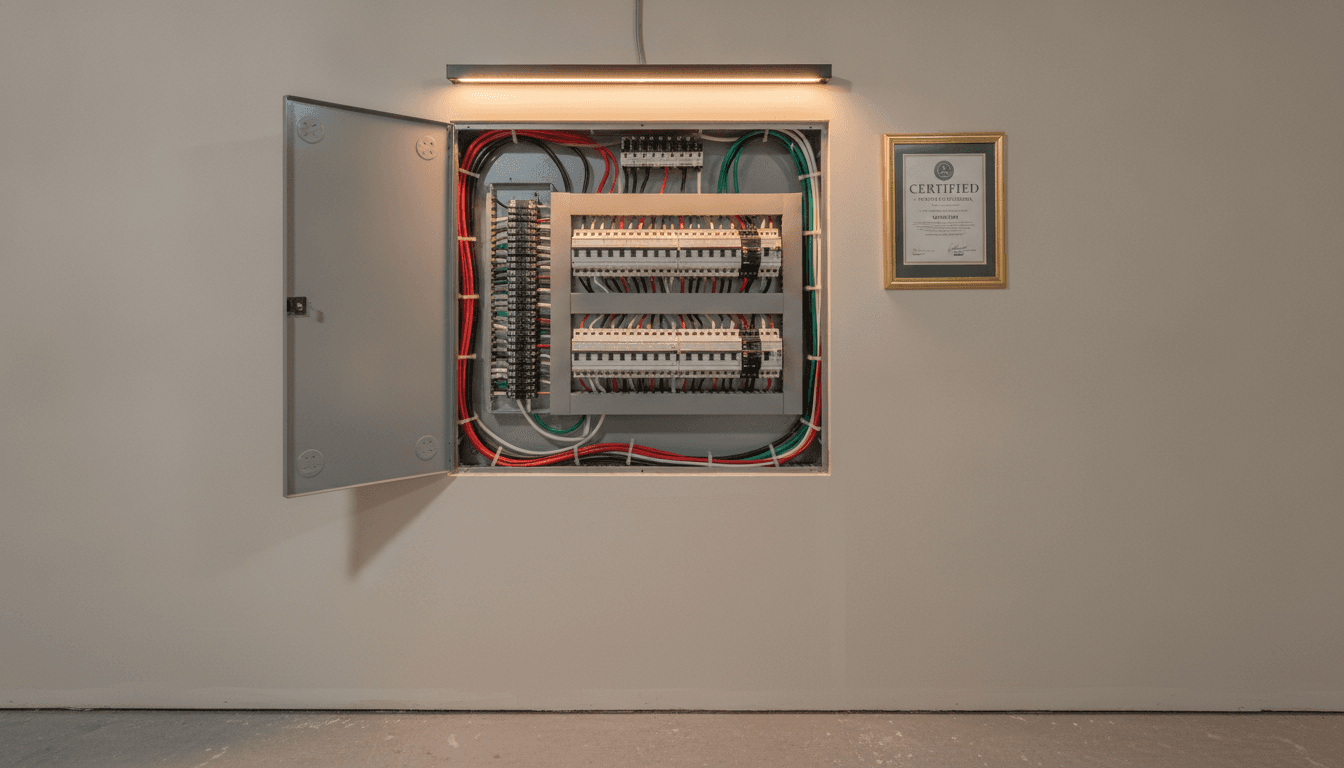
For the most common jobs, the going ranges give you a sanity check. A 100-amp to 200-amp service upgrade runs $2,200 to $4,500 depending on whether the meter socket, service entrance cable, and grounding electrode all need replacing. Adding a dedicated 20-amp circuit costs $250 to $600. A whole-home rewire of a 1,600 square foot rowhome lands between $12,000 and $25,000 because the labor is in opening and patching plaster, not in the wire itself.
When you compare bids, look at what each one says about the utility. PECO, PPL, Duquesne Light, and Met-Ed all have their own reconnection scheduling, and a contractor who has coordinated dozens of upgrades with your utility will give you a realistic date instead of an optimistic one.
Match the Contractor to Your Housing Type
A shop that installs panels in new construction in Cumberland County all week is not automatically the right pick for a 1912 twin in Lancaster with cloth-covered conductors in the joist bays. Ask directly how many homes of your vintage they worked on last year.
Knob-and-tube is the clearest example. Some insurers in Pennsylvania will not write a policy on a home with active knob-and-tube circuits, and partial removal creates a documentation problem at renewal. An electrician who works in older housing will know which carriers ask, what evidence they accept, and how to sequence a partial rewire so the house stays livable.
Basement moisture is the other regional factor. Wet basements are common across western Pennsylvania and the Susquehanna Valley, and panel and receptacle placement in those homes has to account for it. Ask how they handle sump pump circuits, because a sump on a shared circuit with a GFCI upstream is a flooded basement waiting for a nuisance trip.
Questions That Separate Pros From Order-Takers
Ask what they found on the last panel upgrade that the homeowner did not expect. A real answer involves aluminum branch wiring, a double-tapped breaker, a missing ground rod, or a bonding jumper on the water main that got cut when the plumber replaced a section with PEX.
Ask how they handle change orders. The right answer is a written price before the extra work starts, not a line item that appears on the final invoice. Get that agreement in the contract rather than in conversation.
Read the Contract Before the Deposit
Pennsylvania's home improvement law gives you specific contract rights on residential work, and the contract itself has to include the contractor's registration number, a start and completion date, and the total price. It also gives you three business days to cancel a signed home improvement contract.
Deposits are capped by that same law at one third of the contract price, or one third plus the cost of special-order materials. A contractor asking for half up front on a $4,000 panel job is asking for more than the statute allows. Pay by check or card so you have a record, and never pay the final balance before the inspection passes.
Warranty terms deserve a line of their own. One year of labor coverage is standard for Pennsylvania residential electrical work, and manufacturer warranties on panels and breakers run longer. Get both spelled out, and get the model numbers of the equipment being installed so you can verify what showed up matches what you bought.
If you want to compare a shortlist, our directory of licensed electricians serving Pennsylvania communities is organized by city so you can pull three local names quickly. For related cost breakdowns on panels, wiring, and generators, browse the rest of our Pennsylvania home service guides.
Timing and Scheduling Realities
Fall and early winter are the busiest stretch for Pennsylvania electricians, driven by generator installs and heating-season failures. If your project can wait, February through April usually brings shorter lead times and occasionally better pricing.
Storm response changes everything. After a derecho or an ice event knocks out power across a county, service upgrades get pushed while crews handle mast repairs and utility reconnections. Book non-urgent work outside those windows.
Emergency rates apply nights, weekends, and holidays at one and a half to two times the standard hourly rate. Knowing where your main disconnect is, and being able to kill a single circuit yourself, keeps a lot of after-hours calls from happening.
Common Questions From Pennsylvania Homeowners
Does Pennsylvania require electricians to be licensed?
Not at the state level. Licensing is handled by individual cities and boroughs, so Philadelphia and Pittsburgh have real credentialing while many townships have none. Anyone doing over $5,000 of residential work per year still has to hold a Home Improvement Contractor registration from the Attorney General's office.
How much does it cost to upgrade a panel in Pennsylvania?
Most 100-amp to 200-amp upgrades land between $2,200 and $4,500 including permit and inspection. The spread comes from whether the meter socket, service entrance conductors, and grounding need replacement, and whether your utility requires a temporary disconnect.
Can I pull my own electrical permit as a homeowner?
Many Pennsylvania municipalities allow it for owner-occupied single-family homes, though the rules differ by jurisdiction and some require you to sign an affidavit. Doing so makes you responsible for the work passing inspection, and it removes the contractor's accountability, so it rarely saves money in practice.
What should I do if an electrician leaves the job unfinished?
Start with a written demand referencing your contract dates, then file a complaint with the Bureau of Consumer Protection, which enforces the home improvement statute. Keep every invoice, text, and photo, because documented timelines are what make those complaints move.
How long does a service upgrade take?
The electrical work usually takes six to ten hours in a single day. The calendar time is longer because of permit issuance, utility disconnect scheduling, and the inspection, so plan on two to four weeks from signed contract to final sign-off.