pest-control
Spotted Lanternfly Control in Pennsylvania: What Works and What Doesn't
A month-by-month guide to spotted lanternfly control in Pennsylvania: egg mass scraping, circle traps, trap trees, quarantine rules, and what pro treatment costs.
In This Article
Spotted Lanternfly Control in Pennsylvania: What Works and What Doesn't
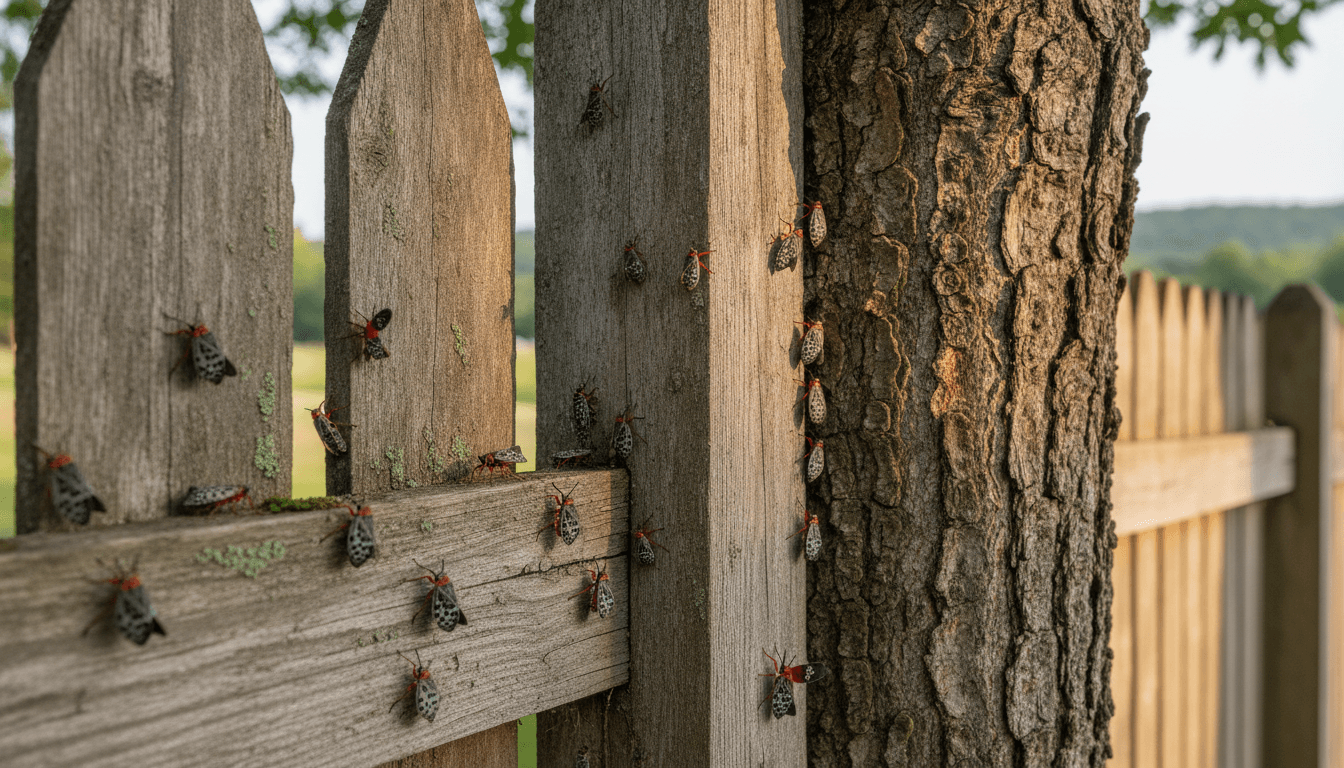
By the first week of September, spotted lanternfly adults in Pennsylvania are at full size, about an inch long with gray spotted forewings and the red underwings that flash when they jump. They are crowding onto tree-of-heaven, maples, black walnut, and grapevines in numbers that peak right about now, and in yards from Reading, PA to the Main Line you will see them mating on trunks and siding.
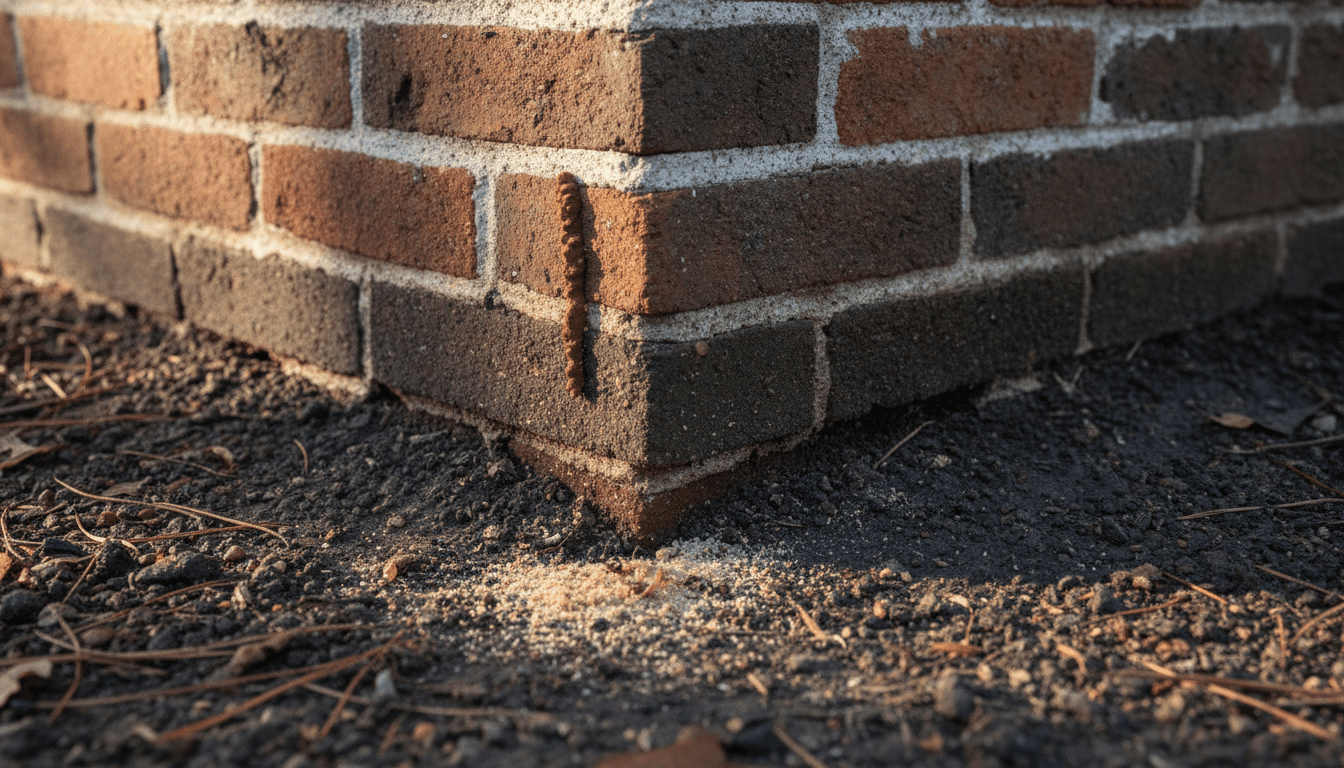
Egg laying starts in mid-September and runs until the first hard frost. Each female leaves one or more masses of 30 to 50 eggs coated in a gray putty-like covering, and she is not picky about the surface: tree bark, fence rails, patio furniture, grill covers, wheel wells, firewood, and stone walls all work. Those masses sit through winter and hatch next May, which is why what you do between now and Thanksgiving decides how bad next summer is.
Pennsylvania has lived with this insect longer than any other state. The first North American detection was in Berks County in September 2014, and from there the population spread to the Philadelphia suburbs, the Lehigh Valley, the Harrisburg area, and by 2020 the Pittsburgh region. The good news after a decade is that the tactics that work are well understood, and so are the ones that waste money.
The Lanternfly Calendar and What to Do in Each Window
A spotted lanternfly lives one year, and its life cycle splits into three windows that call for three different tools. Egg masses are on surfaces from October through May, nymphs climb trees from May through July, and adults feed, mate, and lay eggs from July until frost kills them in November or December.
Spraying adults in October accomplishes very little because most of them are days from dying anyway, while scraping egg masses in February removes next year's insects before they hatch. Trapping works on nymphs because they climb, and it works poorly on adults because they fly and glide.
October Through May: Egg Masses
An egg mass looks like a smear of gray mud or old chewing gum about an inch to an inch and a half long, and fresh ones have a shinier coating that cracks and dulls over winter. Check smooth-barked trees, the undersides of branches, fence posts, rusty metal, outdoor furniture, and anything that sat outdoors since September.
Scrape each mass with a plastic card or putty knife into a bag or jar of rubbing alcohol or hand sanitizer, then seal it and throw it away. Scraping onto the ground does not work because the eggs can still hatch. Every mass you destroy is 30 to 50 fewer nymphs on your property in May.
Egg masses high in a mature tree are out of reach without a bucket truck, and tree services charge roughly $100 to $200 an hour for that work. For most yards, the masses within reach on fences, sheds, and low branches are where the effort pays off.
May Through July: Nymphs
Nymphs hatch in May as black insects the size of a tick with white spots, and by late June the fourth stage turns red with black and white markings. They cannot fly, so they walk up tree trunks every day to feed on tender growth, get knocked off, and climb again.
That daily climb is what circle traps exploit. A circle trap wraps a funnel of window screen around the trunk that guides climbing nymphs up into a bag or jar at the top, and a homeowner can build one for under $10 or buy one for $20 to $40. Empty it every few days and it will collect hundreds of nymphs per week on a tree-of-heaven or red maple in June.
Bare sticky bands were the standard advice in 2018, and they catch birds, bats, squirrels, and chipmunks along with the nymphs. If you use a sticky band, cage it with a cylinder of wire mesh held a few inches off the band, or skip it in favor of a circle trap that catches nothing but insects.
July Through December: Adults
Adults appear in July, and their numbers peak in September on the same host trees. Contact insecticides labeled for lanternfly, including products with bifenthrin or carbaryl, kill adults on the tree they are sprayed on but leave nothing behind, so new adults gliding in from a neighbor's yard land on a clean surface the next day.
The approach that holds up is the trap tree. A licensed applicator treats a few tree-of-heaven with a systemic insecticide, usually dinotefuran applied as a bark spray or trunk injection in July or August, and adults that feed on those trees die for several weeks afterward. Done on the two or three host trees at the edge of a property, this cuts the adult population that will lay eggs in your yard.
Tree-of-Heaven Is the Host That Matters
Tree-of-heaven is the invasive tree the lanternfly evolved alongside in Asia, and lanternflies feeding on it grow faster and lay more eggs than on any native host. It grows along rail lines, highway shoulders, vacant lots, and fence lines across Pennsylvania, and one stand along a back fence can feed a whole block.
Identify it by its long compound leaves with a small gland at the base of each leaflet, smooth pale gray bark on younger trunks, and a smell like rancid peanut butter when a leaf is crushed. Sumac and black walnut look similar from a distance, so use the smell test.
Cutting a tree-of-heaven without treating it makes the problem worse, because the roots send up dozens of suckers within a season. Removal that lasts requires a herbicide application, usually triclopyr applied to the bark or into cuts in the trunk in mid-summer through early fall, followed by cutting once the tree has died. Pennsylvania tree services typically charge $500 to $2,500 for treatment and removal depending on trunk size and access.
Not every tree-of-heaven should go. Leaving one or two male trees standing and treating them with systemic insecticide turns them into trap trees that pull adults away from your maples and fruit trees.
What Does Not Work or Is Oversold
Vinegar and dish soap sprays kill lanternflies they hit directly and do nothing after they dry. They can also burn the leaves of the plant you spray, so a grapevine treated with soapy water in August often ends up with damaged foliage and the same number of lanternflies by the weekend.
Stomping is fine as a reflex and useless as a control strategy. A mature tree-of-heaven can host several thousand adults in September, and killing a few dozen on the patio each evening does not change how many eggs get laid above you.
Ultrasonic repellers, bug zappers, and essential oil sprays have no demonstrated effect on spotted lanternfly. The same goes for home recipes based on neem or garlic, which are contact treatments at best and plant damage at worst.
Blanket spraying of the whole yard with a pyrethroid every two weeks kills bees and beneficial insects, costs $150 to $300 a visit, and leaves the property open to reinvasion from the untreated lot next door. A yard-wide spray makes sense during peak adult activity in September and is a poor use of money in June or November.
The Quarantine and Who Needs a Permit
The Pennsylvania Department of Agriculture's spotted lanternfly quarantine now covers a large majority of the state's 67 counties, including every county in the southeast, the Lehigh Valley, the Harrisburg region, and Allegheny County around Pittsburgh. Inside the quarantine, moving any item that could carry a live lanternfly or an egg mass out of the county is regulated, from firewood and landscaping equipment to outdoor furniture, trailers, and vehicles.
Businesses that move goods, vehicles, or equipment out of or through quarantined counties must hold a spotted lanternfly permit. The permit comes from a free online course that takes about two hours, and one trained employee at a business can train the rest, with the permit displayed in each vehicle. Landscapers, movers, and contractors in Montgomery, Bucks, and Chester counties have carried them since 2018, and the Department can fine businesses operating without one.
Homeowners do not need a permit, but the state asks them to inspect anything leaving a quarantined county and to fill out its residential checklist. If you are relocating within Pennsylvania or to a neighboring state, check the wheel wells of the car, the underside of every piece of patio furniture, and every log of firewood before it goes on the truck.
What Professional Treatment Costs in Pennsylvania
A single yard treatment for spotted lanternfly from a licensed pest control company typically lands between $150 and $350, for a contact spray on host trees at peak adult activity. Larger lots with many host trees along a fence line run higher, and the price often includes one return visit.
Trunk injection or basal bark treatment of trap trees with a systemic insecticide is priced per tree, generally $75 to $200 depending on trunk diameter, and a three-tree minimum is common. Seasonal programs that combine a systemic treatment in July, a contact spray in September, and an egg mass inspection in late fall generally range from roughly $300 to $800 for a suburban lot.
Ask any company you call whether the technician holds a Pennsylvania pesticide applicator license, which products they plan to use on which trees, and whether they will treat or remove tree-of-heaven as part of the plan. A company that quotes a yard spray without asking whether you have tree-of-heaven is selling the wrong service. Comparing two or three quotes from licensed pest control companies in Pennsylvania will show you quickly which ones know the insect.
Frequently Asked Questions
Do spotted lanternflies bite or damage my house?
They do not bite or sting, and they do not eat wood or siding. The damage at home is the sugary honeydew they excrete, which coats decks, cars, and patio furniture and grows black sooty mold within a week, and the stress on grapevines and young maples that host thousands of feeders.
Should I still kill them if I am inside the quarantine?
Yes. The Department of Agriculture still asks residents to kill lanternflies on sight and to report sightings only from counties outside the quarantine. Inside a quarantined county like Berks or Lehigh, reporting is no longer needed and the effort is better spent on egg masses.
Will the lanternflies eventually go away on their own?
Populations in Berks and Lehigh counties peaked around 2018 to 2020 and dropped noticeably after that, though they have not disappeared. Expect a boom in the first three or four years after they reach a new area and a lower, persistent level after that.
What to Do This Week
Walk your property this weekend and note where the adults are concentrated, since those trees will carry the egg masses. If any of them are tree-of-heaven, call an arborist or pest control company now about a September systemic treatment and a fall herbicide plan.
Then put a plastic scraper and a bottle of rubbing alcohol by the back door for October. For everything else on the fall home maintenance list, our Pennsylvania home service price guides cover what tree services, roofers, and cleaners are charging this year.